
Healthy Parents, Unexpected Bills: Why Pet Insurance for Kittens Matters
August 19, 2025|Health & Nutrition
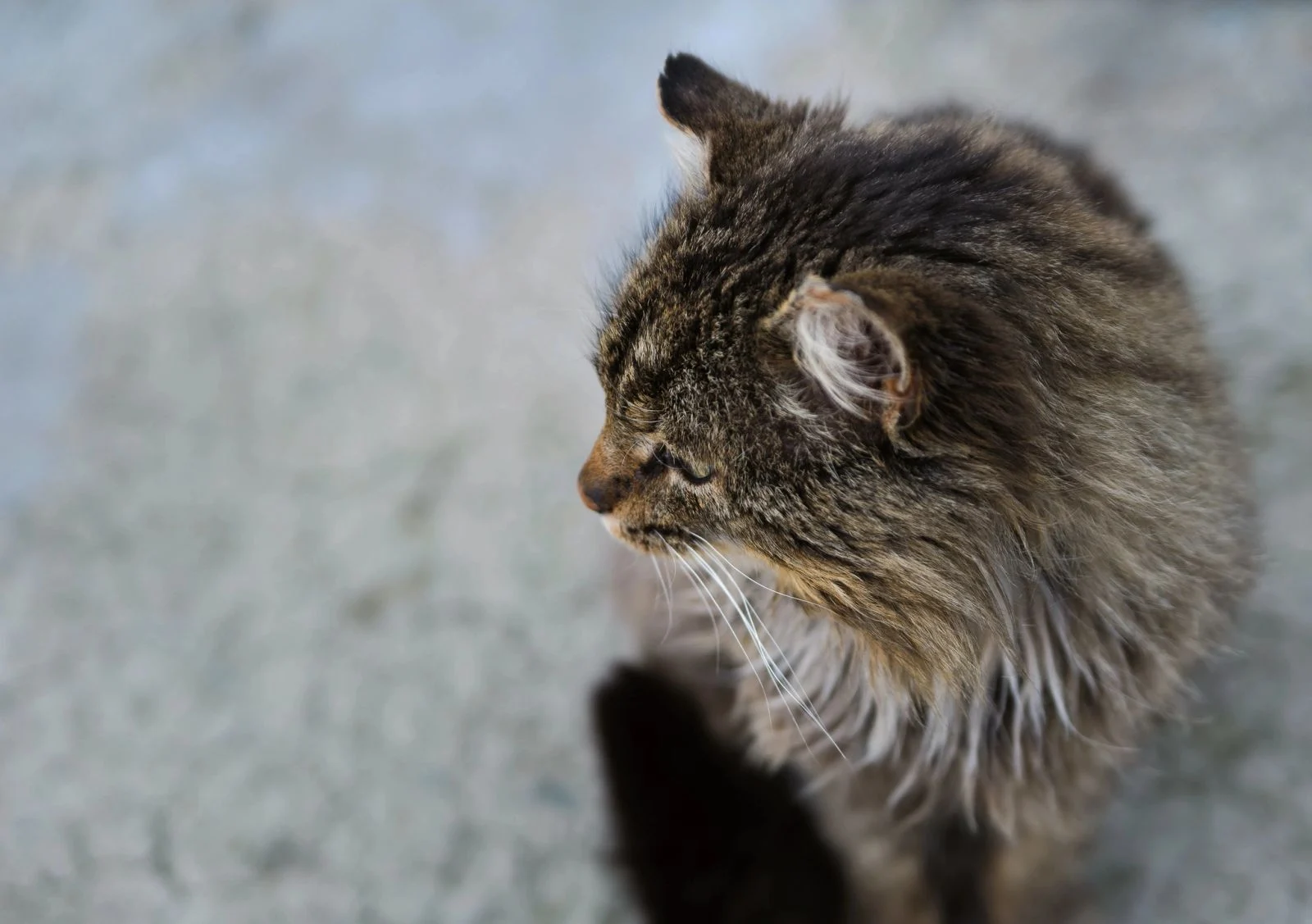
You put in the research. You chose a reputable breeder, asked every question on your list, and brought home a healthy kitten. Both parents cleared their health screenings, and your care has been nothing short of excellent. Even so, costly medical problems can still appear, including in cats raised by the most careful breeders.
The simple truth is that genetics, age, and pure chance affect every cat. Knowing which conditions tend to be expensive, and having pet insurance for kittens in place early, lets you give your cat the best care without draining your savings.
Why Good Breeding Cannot Rule Out Every Health Problem
Responsible breeders put serious time and money into health testing, genetic screening, and careful pedigree records. They test for known inherited conditions and breed only cats that meet high health standards. Still, a few realities mean no breeder can stop every health issue:
Genetics are complicated and hard to predict. Many conditions are driven by several genes or appear only later. A cat can carry markers that stay silent until well into adulthood, which makes catching them early close to impossible.
Environment matters a great deal. A cat with ideal genetics can still become ill because of outside triggers, stress, diet, or the ordinary effects of getting older.
Research keeps uncovering new risks. As veterinary science moves forward, it identifies genetic markers and conditions that were not understood, or could not be tested for, in the past.
Mutations can happen at random. Some conditions come from spontaneous genetic changes that no one could have foreseen or bred away.
Expensive Conditions Any Cat Can Develop
Accidental Injuries
Accidents are among the most sudden and costly emergencies owners face, and they happen even to cats that never go outdoors. However watchful you are, a curious cat can tumble from a shelf or piece of furniture, get caught in window blind cords, or swallow things like string, hair ties, or houseplants.
Why they’re unpredictable: Cats are natural explorers and can find trouble in seconds. One misjudged jump or a tempting item dropped on the floor can mean broken bones, a blocked intestine, or another serious injury, all without your cat ever stepping outside.
Potential costs: An emergency visit for an indoor injury often runs $500 to $2,000. Surgery for fractures, intestinal obstructions, or internal injuries can cost $1,500 to $6,000 or more, depending on the case. Add imaging, hospital stays, medications, and follow-up visits, and severe cases can easily pass $8,000 in total.
Chronic Kidney Disease
Roughly one in three senior cats is affected by kidney disease, though younger cats can develop it too. Over time the kidneys lose function, and the cat needs ongoing care to keep a good quality of life.
Why it's unpredictable: Some kidney disease has a genetic link, but many cases trace back to environment, infection, toxins, or simple aging. Cats from health-tested lines can still have kidney trouble as they get older.
Potential costs: Diagnosis usually means blood work, urinalysis, and imaging ($300 to $800). Ongoing treatment can include prescription food ($50 to $100 a month), medication ($30 to $150 a month), fluid therapy ($100 to $300 a session), and checkups ($150 to $300 a visit). Advanced disease may call for a hospital stay ($1,000 to $3,000 each time). Over a lifetime, management often totals $8,000 to $12,000.
Dental Disease and Oral Health
As many as 85% of cats older than three years have dental problems. Poor dental care plays a part, yet some cats develop severe disease even with excellent care at home, often because of genetic tendencies or autoimmune conditions.
Why it's unpredictable: Some cats are born with softer enamel, teeth that develop abnormally, or immune responses that leave them more prone to dental disease, no matter how well they are cared for.
Potential costs: A professional cleaning under anesthesia costs $500 to $1,500. Extractions add $50 to $200 per tooth. Severe cases needing several extractions can reach $2,000 to $4,000, and pain control or special diets add $30 to $100 a month. Cats who need extensive dental work may face $5,000 to $8,000 across their lifetime.
Cancer
About one in five cats will develop cancer at some point. Risk rises with age, but young cats can also be diagnosed with cancers such as lymphoma, squamous cell carcinoma, and fibrosarcoma.
Why it strikes unpredictably: The causes of most feline cancers are unknown, so breeding cannot prevent them. Environment, viruses, and genetic tendencies all contribute in ways science does not fully understand, and most cases seem to arise at random.
Potential costs: Diagnosis often involves extensive testing ($1,000 to $3,000), such as biopsies, imaging, and staging. Treatment costs vary widely: surgery ($1,500 to $8,000), chemotherapy ($2,000 to $10,000), or radiation ($6,000 to $15,000). Palliative and comfort care bring ongoing costs as well. All told, cancer treatment can run from $3,000 to $25,000 or more.
Urinary Blockages and FLUTD
Feline Lower Urinary Tract Disease (FLUTD) covers a group of conditions involving the bladder and urethra. Male cats are especially at risk for urinary blockages, which are life-threatening and need emergency treatment right away.
Why breeding can't eliminate the risk: A few urinary problems have a genetic link, but most stem from diet, stress, environment, or causes no one can identify. Cats from healthy bloodlines can still end up with urinary trouble.
Potential costs: An emergency procedure to clear a blockage costs $1,500 to $4,000, and hospital care and monitoring add $500 to $1,500 per day. Repeat blockages may need surgery ($2,000 to $5,000). Long-term care includes prescription food ($60 to $120 a month) and checkups ($150 to $300 a visit). Cats with chronic urinary problems often run up $5,000 to $10,000 in vet bills.
What Cat Ownership Really Costs
The American Pet Products Association reports that, on average, cat owners spend $1,480 a year on veterinary care. That number leaves out the major health events that can cost thousands of dollars all at once.
Think about these examples:
- A three-year-old cat needs emergency surgery after an accident: $5,000 to $10,000
- A five-year-old cat requires emergency surgery for a blocked intestine: $4,000 to $8,000
- An eight-year-old cat goes through cancer treatment: $8,000 to $20,000
- A senior cat needs ongoing care for kidney disease and dental problems: $10,000+
Bills like these can stretch even the most prepared owners and force painful choices about treatment.
How Pet Insurance Brings Peace of Mind
Pet insurance works much like health insurance for people: you pay a monthly premium, and the policy helps pay for unexpected vet bills. Today’s policies have come a long way and can offer broad coverage for many conditions and treatments.
Here at Maine Street Coons, Trupanion is the pet insurance we strongly recommend to the families who adopt from us. What sets Trupanion apart is its direct payment system with participating veterinarians, so you are not stuck paying a large bill first and waiting for reimbursement. That is a real relief in an emergency or during a major procedure.
Trupanion also provides broad coverage for genetic conditions, which matters a lot for pedigreed cats like Maine Coons. Its customer service is consistently well rated, which makes caring for a sick cat far less stressful.
Coverage Benefits
Accident and illness protection: Most policies, Trupanion included, pay for emergency care, diagnostic tests, surgery, medication, and hospital stays for covered conditions.
Hereditary and congenital condition coverage: Trupanion offers thorough protection for genetic conditions that can affect Maine Coons and other pedigreed cats.
Cancer treatment coverage: Plans usually pay for cancer diagnosis and care, including surgery, chemotherapy, and radiation.
Chronic condition management: After a condition is diagnosed and covered, many policies help with the ongoing cost of treating problems such as kidney disease, diabetes, and heart disease.
Predictable Finances
Pet insurance turns sudden, possibly crushing vet bills into a steady monthly cost. Because Trupanion pays veterinarians directly, you do not have to front the full bill; you pay only your deductible and coinsurance, which takes a great deal of financial pressure off during a hard time.
Freedom to Choose Treatment
With coverage, owners can choose the best treatment instead of settling for a cheaper option. That means better outcomes for cats, and owners are spared the guilt of facing impossible money decisions. Thanks to Trupanion’s dependable support and simple process, you can put your attention on your cat’s care instead of paperwork.
Picking the Right Policy
Start Early
The ideal time to buy pet insurance is early, while your kitten is still young and healthy. Pre-existing conditions usually are not covered, so signing up early is key to complete protection.
Compare Coverage Types
Accident-only policies give basic protection but will not cover most chronic conditions. Accident and illness plans provide broader coverage. Comprehensive plans may add wellness visits and preventive care.
Know the Policy Terms
Look closely at:
- Annual deductibles versus per-condition deductibles, and how each applies
- Reimbursement rates (usually 70 to 90%)
- Yearly or lifetime benefit caps
- Waiting periods for various conditions
- Exclusions and limits
Think About Your Budget
For cats, monthly premiums usually fall between $15 and $50, based on age, breed, location, and level of coverage. Higher premiums often bring better coverage, but pick a plan you can keep paying for your cat's whole life.
The Decision: Protecting Your Cat's Future
No breeder or owner, however devoted, can prevent every health problem. Genetics, environment, and plain bad luck can touch any cat, whatever its background or level of care.
Pet insurance gives you a financial safety net, so your focus can stay on your cat's health instead of the bill. If you are ever facing an HCM, kidney disease, or cancer diagnosis, coverage can be the difference between full treatment and hard compromises.
Think of coverage as an investment in your cat's long-term health and in your own peace of mind. Look into policies while your cat is still healthy, compare them carefully, and pick coverage that suits your budget and gives solid protection.
Your cat relies on you to make its healthcare decisions. With pet insurance, money does not have to stand in the way of the best care when it matters most. Even with excellent breeding and loving care, health problems can appear, and being prepared changes everything.