
Choosing a Maine Coon Breeder: Why an Annual Maine Coon Echocardiogram Matters
August 8, 2025|Genetics
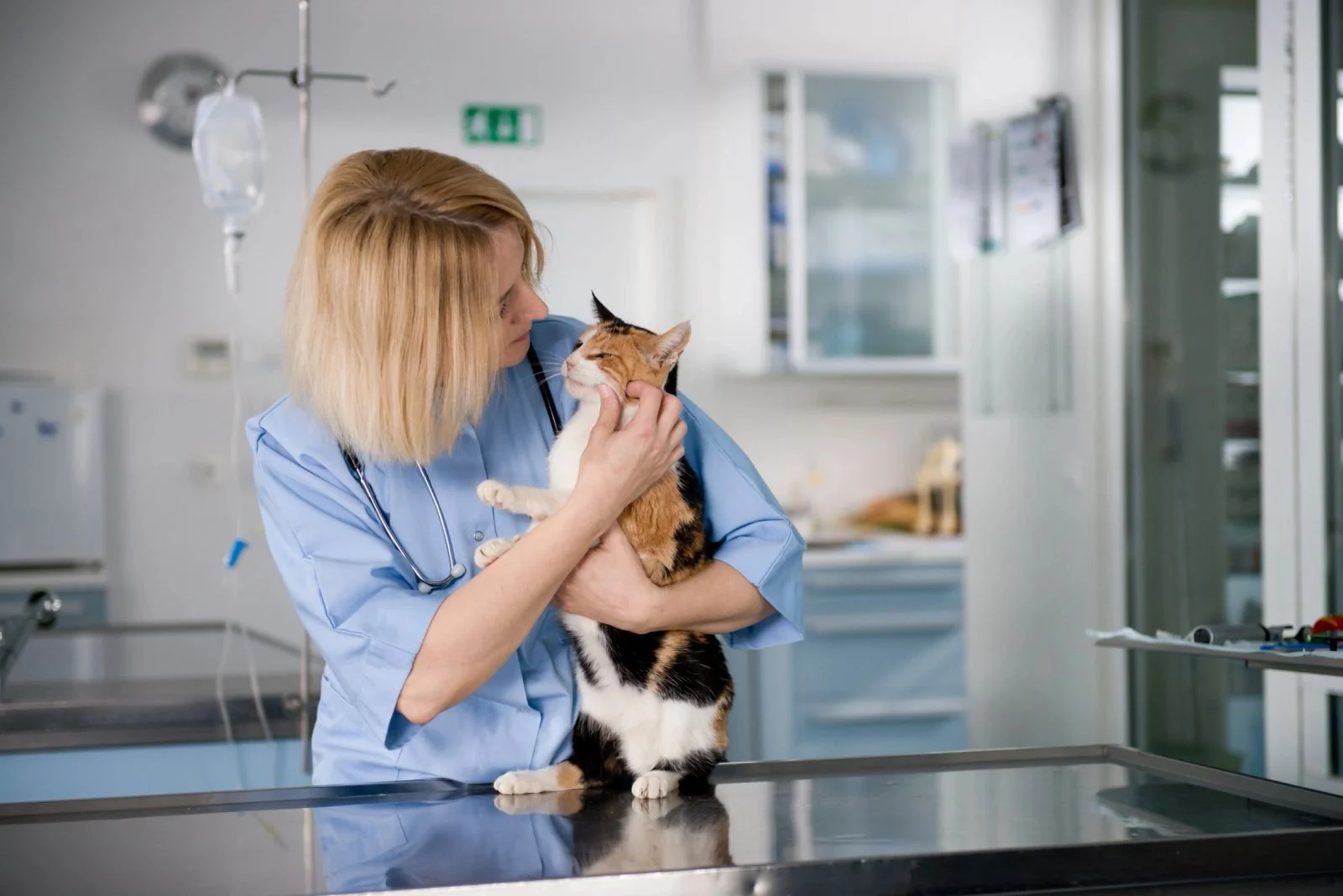
Maine Coons are loved for their impressive size, friendly nature and striking looks. Yet behind the charm of these magnificent cats comes a real responsibility for buyers like you: choosing a breeder who puts the health and welfare of every cat first. A central concern in Maine Coon breeding is preventing hypertrophic cardiomyopathy (HCM), a serious heart disease that is widespread in this breed, and the Maine Coon echocardiogram is a key tool in that effort.
The thrill of adopting a Maine Coon can easily carry you away, but as a buyer, you have the power to support ethical breeding. Informed choices protect the health of your new companion and also help keep the breed healthy for the long term. Below, we explain why health screenings such as echocardiograms are so essential and walk you through finding a responsible breeder.
What Is Hypertrophic Cardiomyopathy (HCM) in Maine Coons?
HCM is the most common heart disease in cats, and Maine Coons are especially prone to it. The condition makes the heart walls thicken, which reduces how well the heart can pump blood. When it goes undetected, HCM can lead to complications such as heart failure or even sudden death.
HCM is often inherited and tied to genetic mutations, so it can pass from parent cats to their kittens. Spotting it early is difficult, though, because many affected cats look perfectly healthy. That is why proactive measures, including genetic testing and annual echocardiograms (an ultrasound image of the heart), are vital in Maine Coon breeding programs.
Why It Matters to You
Buying a Maine Coon means more than bringing home a pet: you are investing in that cat's future health and happiness. A responsible breeder who performs health screenings lowers the chance that your cat will develop HCM, and spares you the heartbreak that can follow.
How the Maine Coon Echocardiogram Protects Health
An echocardiogram is a valuable tool that lets veterinarians examine your cat's heart closely, even before any HCM symptoms show up. Yearly echocardiograms help breeders find affected cats early and make well-informed choices for their breeding programs.
Why Responsible Breeders Rely on Echocardiograms
- Early Detection of HCM: An echocardiogram can show early signs of HCM that a routine vet checkup might miss. Finding those signs before symptoms appear makes the condition easier to manage effectively.
- Ethical Breeding Decisions: Responsible breeders keep cats with HCM out of their breeding programs, which lowers the risk of passing the disease to future generations.
- Transparency and Trust: Yearly echocardiograms demonstrate a breeder's dedication to feline health and support their reputation for ethical breeding.
When you ask breeders about echocardiograms, you confirm that they are taking the proper steps to choose healthy breeding pairs and protect the health of Maine Coons for years to come.
How to Find a Responsible Breeder
If you hope to welcome a Maine Coon into your family, careful research into breeders is essential. Breeders vary widely, and the one you choose can make a real difference in your cat's health and quality of life. Use these steps to judge whether a breeder is responsible:
1. Ask About Health Testing
Your first question should be whether the breeder screens the cats in their breeding program for HCM. Choose breeders who routinely perform echocardiograms on all of their breeding cats. Ideally, screening starts when a cat is about one year old and is repeated every year.
Responsible breeders often pair echocardiograms with genetic tests for known mutations tied to HCM, such as those in the Myosin-binding protein C (MYBPC3) gene. Genetic testing cannot replace an echocardiogram, but it does offer useful insight into the potential for inherited conditions.
2. Review Health Records
An open, honest breeder should gladly share thorough health records for their cats. Those records should cover:
- Recent echocardiogram results
- Genetic test results for HCM mutations
- Records of vaccinations and other routine vet care
Steer clear of breeders who will not or cannot share this information; that is a red flag.
3. Visit the Breeder's Home or Cattery
Seeing the breeder's home or facility in person can tell you a great deal about how they work. Watch for these marks of a reputable breeder:
- Clean, roomy living spaces for the cats
- Cats that seem healthy and well-socialized
- An openness to answering all of your questions about their breeding program
While you are there, ask how the breeder screens for HCM, how long they have been breeding and what philosophy guides them. A responsible breeder should be open, well-informed and devoted to feline health.
4. Check References and Reviews
Feel free to contact past buyers or read online reviews as you weigh a breeder. Glowing feedback from happy, well-informed owners can help you feel confident in your choice.
5. Value Transparency Over Convenience
Ethical breeders frequently keep waiting lists or use careful application processes, because they focus on thoughtful pairings and healthy litters. A breeder with kittens available right now may be tempting, but convenience should never come before your cat's health and well-being.
Why Your Choice of Breeder Matters
Choosing your kitten from a responsible Maine Coon breeder says something about what you value. You are:
- Backing breeders who put money and effort into ethical practices and health screenings
- Discouraging breeders who put profit ahead of feline health
- Helping to reduce how often HCM appears in Maine Coons
Your choice also spreads outward. When you pick a breeder who commits to regular echocardiograms and genetic testing, you nudge others in the Maine Coon community toward the same standards. Over time, that can produce a healthier, more resilient breed.
Final Thoughts
Welcoming a Maine Coon into your family is thrilling and deeply rewarding, and it also carries responsibility. Choosing a breeder who performs annual echocardiograms and follows ethical practices is a meaningful step toward protecting your cat's health.
Ask good questions, expect openness and settle for nothing less than a responsible breeder. Your choice affects more than your own cat's health; it helps support the future of the Maine Coon breed. By putting health screenings such as echocardiograms first, you show the care and dedication these gentle giants deserve, so they can keep thriving for generations to come.
Disclaimer:
The information that Maine Street Coons and its owner, breeder Kyra Hagan, share here is for general educational purposes only and is based on the breeder's own personal experience. Nothing here should be taken as professional veterinary diagnosis, treatment or advice. Maine Street Coons operates as a private cattery, and Kyra Hagan does not hold a veterinary license.
Make every health decision together with a licensed veterinarian who has seen and examined your cat. Each Maine Coon is an individual, and health outcomes can differ because of genetics, environment and other factors.
Maine Street Coons makes no guarantees regarding the accuracy or applicability of this information. Always ask your veterinarian for advice specific to your cat. If a medical emergency occurs, call your vet or an emergency animal hospital right away.