
Juvenile Gingivitis in Maine Coons: What Owners and Breeders Need to Know
May 12, 2025|Genetics
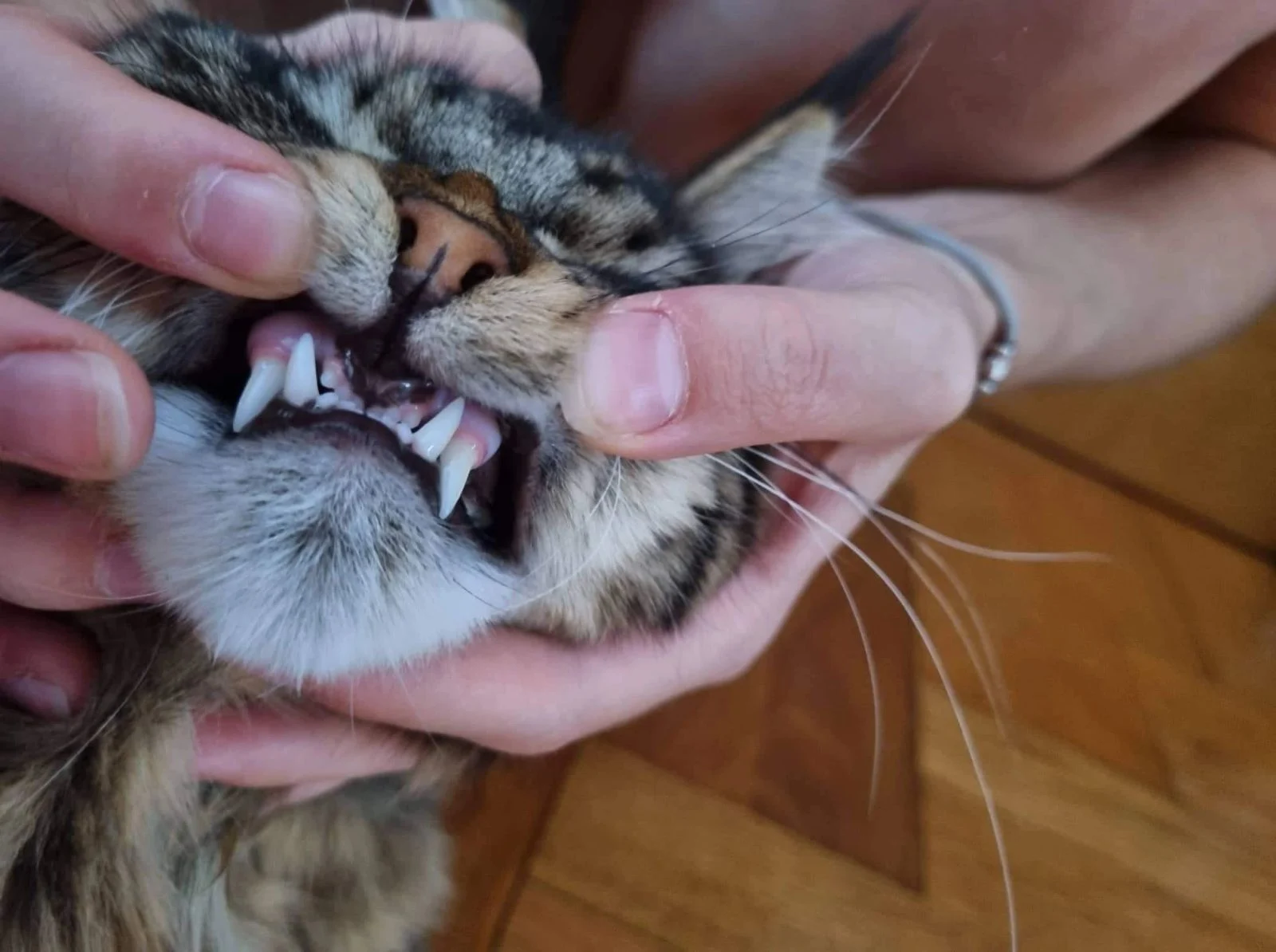
Maine Coons are known far and wide for their regal looks, loving temperament, and almost dog-like personalities. Yet for all the affection they inspire, the breed can run into health problems, among them a condition in young cats that frequently goes unnoticed: juvenile gingivitis.
This article offers a complete guide to recognizing, understanding, and managing juvenile gingivitis in Maine Coons. For owners, breeders, and veterinarians alike, staying well informed is where protecting the health and happiness of these beautiful cats begins.
What Is Juvenile Gingivitis in Maine Coons?
Juvenile gingivitis, sometimes called hyperplastic gingivitis, is a dental condition that is often overlooked and that appears in young cats, usually between 7 and 10 months old. It causes marked inflammation and overgrowth of the gum tissue, known as the gingiva. Every Maine Coon kitten is especially susceptible to juvenile gingivitis because of a genetic predisposition, so routine oral health checks are a vital part of their care, and this is one more reason to keep your Maine Coon kitten covered by an active pet insurance policy (like Trupanion).
In contrast to many other mouth problems, juvenile gingivitis usually involves only the gums and leaves the deeper tissues and bone untouched. Importantly, it is not the same as more serious conditions such as stomatitis, where inflammation spreads widely, reaching the lips, tongue, and throat.
Signs to Watch For:
When a young Maine Coon shows any of these symptoms, juvenile gingivitis could be responsible:
- Red, puffy gums that bleed with little contact
- Halitosis (foul breath)
- Swollen or enlarged gum tissue
- Discomfort when eating, particularly hard food
- Loose or wobbly teeth
The inflammation frequently looks out of proportion to how much plaque and tartar is actually there, so do not write these signs off as a small irritation.
What Causes Juvenile Gingivitis
Knowing the underlying cause can make early treatment possible. These are the usual factors thought to play a role in the condition:
- An exaggerated inflammatory reaction as teeth erupt
- Exposure to viruses such as FeLV, FIV, or Calicivirus
- Immune-mediated disorders, for example autoimmune disease
- Hormonal changes in puberty or pregnancy
- Poor oral hygiene and buildup of plaque
- Nutrient deficiencies
If you spot any of these signs, it is essential to see your veterinarian, who can decide whether a referral to a veterinary dentist is warranted to find the underlying cause and provide the right treatment.
Juvenile Gingivitis Compared With Stomatitis in Cats
Telling juvenile gingivitis apart from stomatitis matters, because the two are treated in very different ways:
- Juvenile Gingivitis involves only the gums, and its inflammation does not include alveolar bone loss or the wider mucosal structures. When it is managed proactively, this condition frequently stabilizes or clears up completely by adulthood.
- Stomatitis, by contrast, is a severe, long-lasting inflammation of the mucosal tissues all through the mouth, including the lips and throat. It often calls for intensive, long-term care and can require full-mouth extractions.
Seeing a veterinary dentist, ideally one with experience treating cats, is essential for a correct diagnosis and an effective treatment plan.
How It Is Treated
Happily, feline juvenile gingivitis can frequently be managed well, particularly when treatment starts early. Here is a summary of the ways the condition is handled:
1. Professional Dental Cleaning
- A thorough cleaning under anesthesia is usually where treatment begins. It clears away built-up plaque and tartar, eases inflammation, and sets a starting point for later treatments.
2. Controlling Plaque at Home
- Tooth Brushing: Brushing is the gold standard, though it may hurt too much at first. Slowly introducing brushing as the inflammation eases can help.
- Specialized Diets: Dental formulas can help keep plaque buildup in check; examples include Royal Canin Adult Dental and Hill’s Prescription Diet t/d.
- Oral Hygiene Products:
- Chlorhexidine gels or rinses (for example, C.E.T. Oral Hygiene Rinse)
- Enzyme-based gels such as Oratene
- Additives that fight plaque, such as PlaqueOff
- Dental chews and treats
3. Immunomodulation
- In some cases, giving feline omega interferon (Virbagen) or another immune-modulating therapy can help bring inflammation down.
4. Managing Pain
- To keep them comfortable, cats may need pain medication such as Gabapentin or Buprenorphine. In this situation, anti-inflammatory drugs like Meloxicam or Robenacoxib (Onsior) are sometimes prescribed.
5. Continued Follow-Up Care
- Until your cat matures at roughly 18 to 24 months, juvenile gingivitis may call for dental checkups and cleanings as often as every 3 months.
- When aggressive treatment does not work, routine maintenance cleanings or even pulling teeth may be needed.
6. Severe Cases
- In the uncommon cases that do not respond to treatment, it may be necessary to consider advanced therapies or drastic steps, like full-mouth extractions.
Outlook
With early diagnosis and good management, the results can be excellent. Many Maine Coons with juvenile gingivitis reach remission by adulthood. Without treatment, though, the condition can advance to severe periodontitis or stomatitis, causing chronic pain and lasting damage.
A strong response to treatment in the early stages often points to a good long-term outlook. Cats given steady care throughout their growing years are more likely to reach lasting remission.
Heading Off Future Problems
Prevention begins with paying close attention:
- Regular Dental Exams: Partner closely with a veterinarian who focuses on dental care to keep track of your cat’s oral health. Full-mouth X-rays (radiographs) are a recommended part of these exams.
- Daily Home Care: A consistent daily oral hygiene routine is essential for avoiding flare-ups.
- Balanced Nutrition: Make sure your Maine Coon eats a diet that supports the best possible oral health.
- Prompt Treatment: When early symptoms appear, act fast before things get worse.
Closing Thoughts on Juvenile Gingivitis in Maine Coons
Although juvenile gingivitis can be upsetting for cats and the people who love them, it is very manageable when caught early and handled proactively. Once you understand the symptoms, treatments, and upkeep involved, you can give your Maine Coon a lifetime of purrs and comfortable, pain-free smiles.
If you think your Maine Coon may have juvenile gingivitis, or you have any worries about their mouth, act now. Book a visit with your veterinarian or see a feline dental specialist for expert care suited to your cat.
Your Maine Coon deserves excellent care, and you do too!
Disclaimer:
Everything Maine Street Coons and owner Kyra Hagan share here is meant only for general education and reflects the breeder's own experience. Nothing here should be taken as professional veterinary advice, diagnosis, or treatment. Ours is a private cattery, and Kyra Hagan does not hold a veterinary license.Every health decision should be made together with a licensed veterinarian who has personally examined your cat. Each Maine Coon is an individual, and health outcomes may differ because of genetics, environment, and other factors.
Maine Street Coons does not guarantee that the information provided is accurate or applies to your situation. Always ask your veterinarian for advice specific to your cat. If a medical emergency occurs, call your vet or an emergency animal hospital right away.