
Maine Coon Dental Care: Why a Healthy Mouth Means a Healthier Cat
March 27, 2025|Health & Nutrition
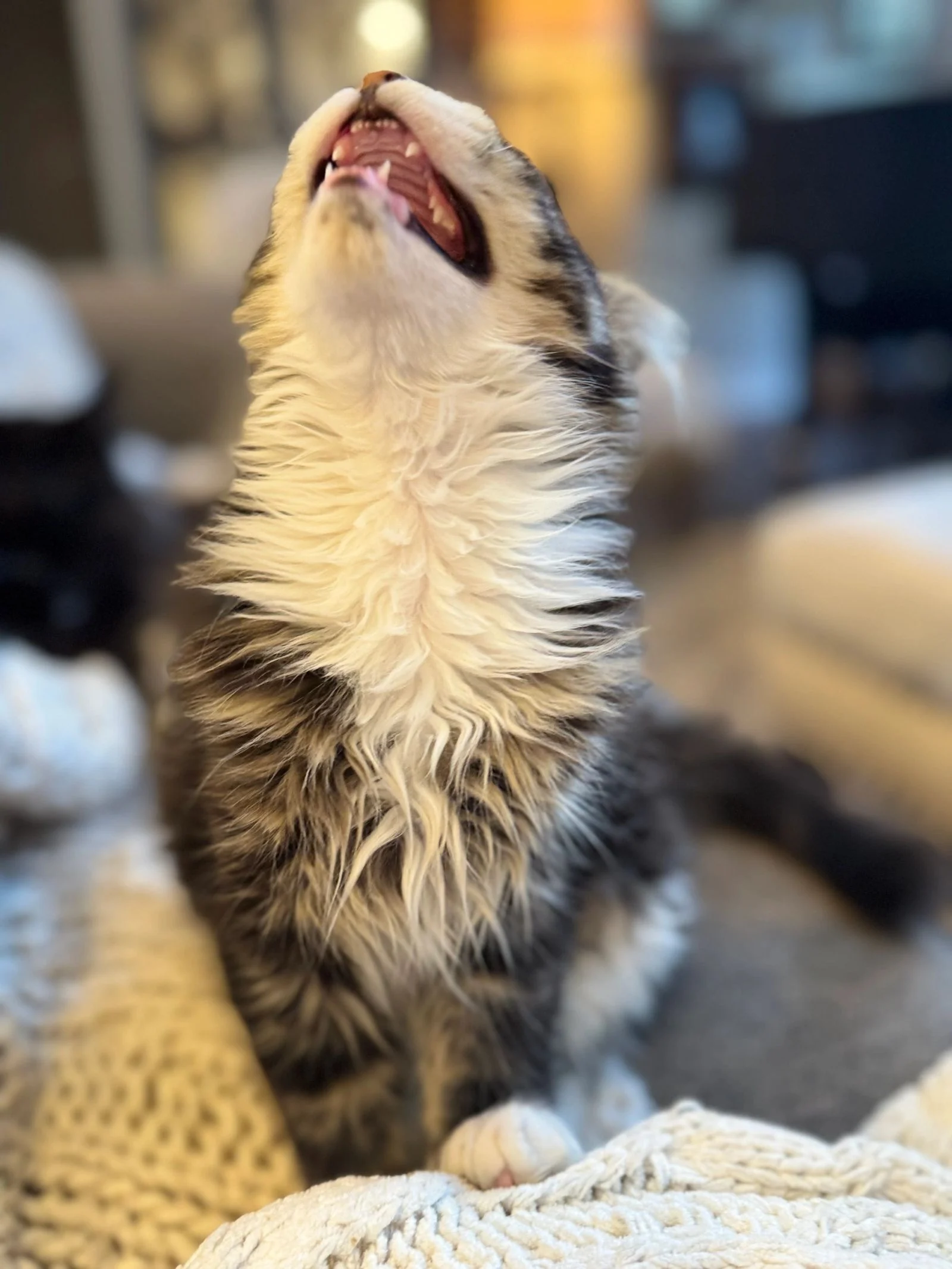
Maine Coons are loved for their regal looks, endearing personalities and generally robust health. Keeping them that way, though, means caring for every part of their well-being, and that includes their teeth. Good Maine Coon dental care is about more than a clean smile. It plays a key role in your cat's overall health and quality of life.
When feline dental problems are ignored, they can quickly become serious health issues that reach the whole body. In this post, we look at why dental care matters so much for your cat, which signs to watch for, and what can happen when oral hygiene slips. We will also share practical tips for keeping your Maine Coon's teeth in excellent condition.
Why Maine Coon Dental Care Matters So Much
Cats, like people, can develop tooth decay, plaque buildup and gum disease. Such problems hurt, and their effects reach well beyond the mouth. Maine Coons in particular may develop dental trouble faster because of their genetics and eating habits. Here are three strong reasons to make your Maine Coon's dental hygiene a priority:
- Pain-Free Living: Dental disease often brings real pain and discomfort, and your Maine Coon may hide it well, since cats are experts at concealing pain. Left untreated, dental problems can gradually make eating, playing and simply enjoying life hard for your cat.
- Systemic Health Risks: Poor dental health affects more than the mouth. Bacteria from infected gums can move to vital organs such as the kidneys, liver and heart, where they can cause lasting damage.
- Hidden Problems: Cats are skilled at disguising illness. Dental disease frequently goes unnoticed until it reaches an advanced stage, which is why preventive care is so essential.
A Closer Look at Maine Coon Oral Health
By nature, cats are built to hunt and eat prey, and those activities help keep their teeth healthy on their own. Our pampered indoor Maine Coons, however, get ready-made meals that need little chewing. Whether they eat dry kibble, wet food or a combination, plaque buildup is close to unavoidable without good oral care.
On top of that, many pedigreed cats, Maine Coons among them, inherit weaker enamel, so plaque and tartar build up faster than they would in their wild ancestors. Put these factors together and regular dental care becomes even more important.
Warning Signs of Dental Disease in Maine Coons
Dental problems can be hard to spot, because cats instinctively hide pain and discomfort. Watch for these common signs:
- Bad breath that does not go away
- Pawing at the mouth or pulling away when touched near the head
- Reduced appetite or refusing dry food
- Poor grooming or a coat in poor condition
- Losing weight
- Gums that are swollen, bleeding or receding
- Visible plaque and tartar buildup
- Teeth that are loose or broken
- Drooling more than usual
- Coughing or sneezing (possibly from spreading infection)
If you see any of these signs, it is time to call your veterinarian.
How Dental Disease Affects the Whole Body
Poor dental hygiene leads to more than lost teeth or gum disease. It puts your Maine Coon's entire body at risk. Here is how:
1. Heart Problems
Once the gums are infected, bacteria can slip into the bloodstream with ease. They may settle on the heart valves and cause damage that, over time, can result in heart disease or even heart failure.
2. Liver Issues
Ongoing gum infections put strain on the liver, which has to work extra hard to clear bacteria from the blood. Eventually, this can result in liver inflammation or bacterial hepatitis.
3. Kidney Damage
Infections in the mouth send antigen-antibody complexes into the bloodstream, and the kidneys struggle to filter them out. Over time, these complexes can wear away kidney tissue and lead to kidney failure, one of the leading causes of illness and death in cats.
How to Prevent Dental Problems in Maine Coons
Here is the good news: regular care can greatly lower the risk of dental disease. These steps will help keep your Maine Coon's teeth healthy:
1. Book Regular Vet Checkups
A yearly dental exam can catch problems early. Your vet may suggest a professional cleaning to clear away plaque and tartar that brushing alone cannot remove.
2. Brush Their Teeth
It is true: you can brush a cat's teeth, and it works! Use a toothbrush and toothpaste made for cats (never toothpaste meant for people) and gently clean their teeth a few times each week. Start slowly so your Maine Coon grows comfortable with the routine.
3. Offer Dental Treats and Toys
Dental treats and chew toys are made to cut down on plaque while giving your cat an enjoyable way to keep their teeth clean.
4. Fine-Tune Their Diet
Offering a mix of wet and dry food can help limit plaque buildup. Some brands also make dental diets recommended by veterinarians and designed to support oral health.
5. Keep an Eye on Their Mouth
Check inside your cat's mouth often for redness, swelling or tartar. Spotting these early signs can head off more serious problems.
6. Try Water Additives and Gels
Water additives or oral gels that are safe for dogs and cats can help keep bacteria in check and freshen breath, as an addition to brushing.
The Bottom Line
For Maine Coons, dental care is a necessity, not an extra, if they are to live happy, healthy lives. A solid routine can make a real difference, from preventing infection and gum disease to protecting vital organs like the kidneys and heart. Regular checkups, brushing and dental products are easy yet effective ways to safeguard your cat's health.
When you stay ahead of dental hygiene, you will improve your Maine Coon's quality of life and deepen the bond the two of you share.
How Is Your Maine Coon's Smile?
Caring for your Maine Coon's teeth is simpler with expert guidance. Book a dental checkup with your vet today and set up a regular oral care routine at home. Your Maine Coon will show their thanks with purrs and play!
Disclaimer:
This information from Maine Street Coons and owner Kyra Hagan is shared for general educational purposes only, drawing on the breeder's personal experience. It does not constitute professional veterinary advice, diagnosis or treatment. Kyra Hagan is not a licensed veterinarian, and Maine Street Coons is a privately run cattery.
Please make every health decision with a licensed veterinarian who has personally examined your cat. Each Maine Coon is an individual, and health outcomes can differ because of genetics, environment and other factors.
Maine Street Coons does not guarantee that the information here is accurate or applies to your situation. Always ask your veterinarian for advice specific to your cat. In a medical emergency, call your vet or an emergency animal hospital right away.