
HCM Treatment for Cats: New Hope for Maine Coons With Hypertrophic Cardiomyopathy
February 19, 2025|Health & Nutrition
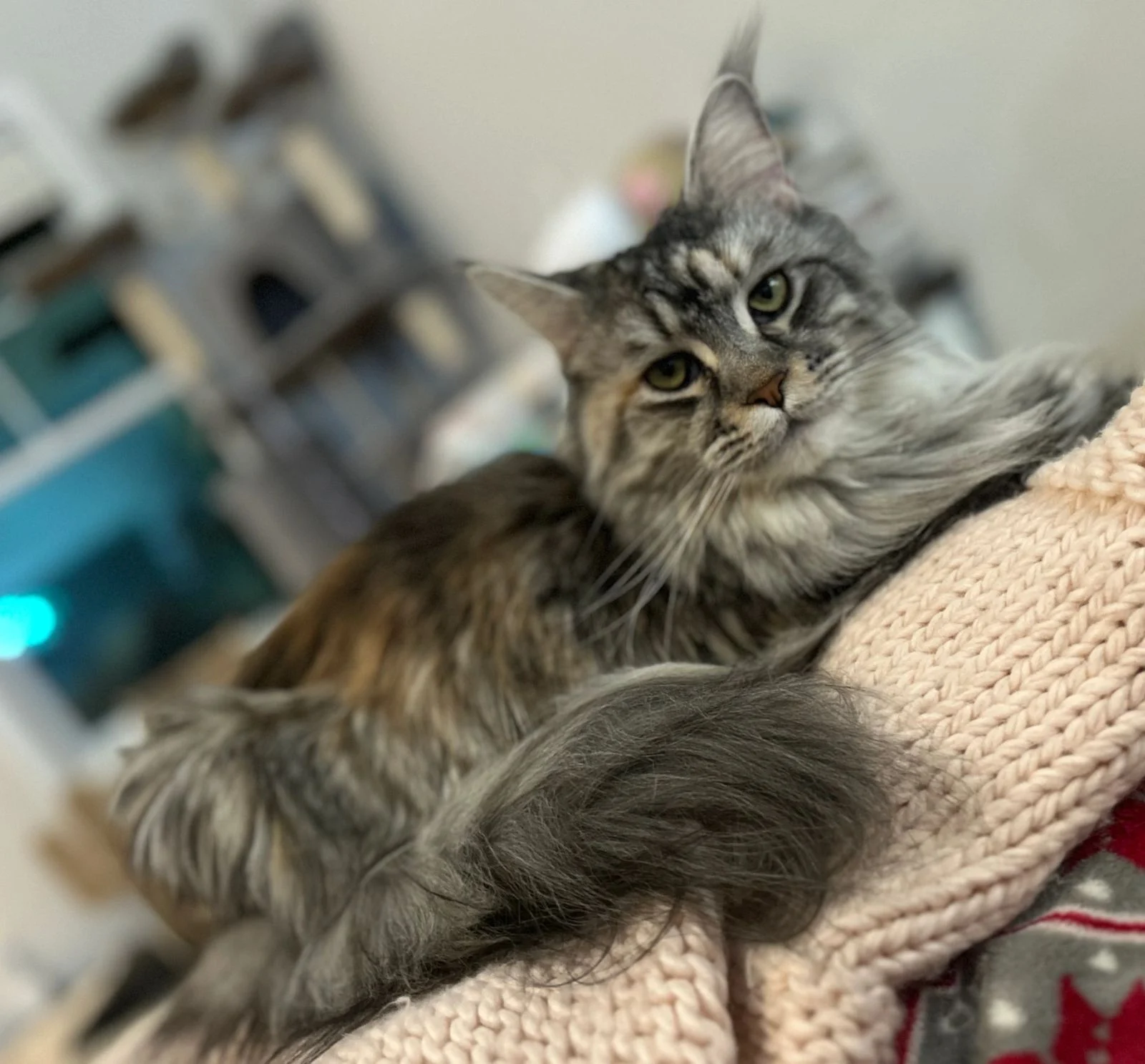
Maine Coons, often called "gentle giants," are adored for their gorgeous coats and loving natures. Unfortunately, this much-loved breed also carries a genetic tendency toward hypertrophic cardiomyopathy (HCM), a heart disease that can be fatal.
Happily, veterinary medicine has exciting news to share: a promising new HCM treatment for cats that could make a dramatic difference for Maine Coon owners and the veterinary teams caring for their cats.
HCM Explained: Its Impact on Maine Coons
Hypertrophic cardiomyopathy, or HCM, is the heart disease seen most often in cats. It makes the walls of the heart muscle thicken, so the heart has a harder time pumping blood well. As time passes, this can bring complications such as fluid buildup in the lungs, congestive heart failure, and even sudden death.
Maine Coons face a higher risk of HCM, and in this breed the disease is thought to have a genetic basis. Studies suggest that 15-30% of Maine Coons around the world are affected by HCM, though rates can differ from one bloodline to another.
For anyone who loves Maine Coons, this means thoughtful choices and proactive steps are vital, both when selecting a breeder and when keeping watch over a cat's health.
Why DNA Testing on Its Own Falls Short
Many breeders work to lower HCM risk by DNA testing for the known mutation linked to the disease in Maine Coons. This is a valuable step, but DNA testing by itself cannot guarantee prevention.
Here is the reason:
- Incomplete Genetic Coverage: Current genetic tests for HCM look for one particular mutation (the MYBPC3 mutation), yet not every cat with HCM has it. So a cat can test negative and still develop the disease.
- Environmental and Secondary Factors: Factors that are not genetic, such as environmental influences or secondary conditions that affect the heart, can also play a role in HCM.
- Echocardiograms Provide Added Assurance: Regular echocardiograms (ultrasound scans of the heart) are still essential, since they can detect early structural changes in the heart that a DNA test might not catch.
Responsible breeders pair DNA testing with yearly echocardiogram screening to give their kittens the best possible start. These steps help keep cats with HCM out of breeding programs, which improves health for the Maine Coons of tomorrow.
A Breakthrough Treatment May Be Coming Soon
Prevention is vital, but no approach is perfect. For years, treatment for HCM has focused on symptoms, mostly managing complications such as blood clots and fluid buildup. That left a major gap, because nothing addressed the underlying cause of the disease.
Now, a new treatment is bringing hope to Maine Coons with an HCM diagnosis, thanks to Dr. Joshua Stern and his research team at NC State College of Veterinary Medicine, who have shown how a feline-specific formulation of rapamycin (sirolimus) could treat HCM and even reverse it.
How Rapamycin Works Against Feline HCM
Rapamycin acts on a pathway called mTOR (mammalian target of rapamycin), which controls cell growth and metabolism. Blocking this pathway has been shown to slow or reverse heart muscle thickening in cats with HCM, even before any symptoms appear.
Results from clinical trials have been encouraging, and the treatment is now in the last stages of FDA conditional approval. If all goes well, rapamycin will be the first-ever therapeutic option that treats the underlying causes of HCM rather than only its symptoms.
Veterinarians think rapamycin may turn HCM from a fatal diagnosis into a condition that many Maine Coons can live with and manage.
What This Means for You as a Maine Coon Owner
For Maine Coon owners, the arrival of rapamycin is a major milestone. If your cat has an HCM diagnosis or is at high risk, rapamycin may be a lifeline: a treatment with the potential to improve both their prognosis and their quality of life.
Practical Steps to Take Now
To give your Maine Coon the best care, consider these steps:
- Choose Your Breeder Wisely: Ask breeders how they test for HCM. A responsible breeder should do BOTH DNA testing and regular echocardiograms on their breeding cats.
- Maintain Pet Insurance: Maine Coons tend to be healthy cats, but treating HCM can be costly. Pet insurance can help cover needed diagnostic tests, treatment or medication.
- Screen Your Cat Regularly: If HCM runs in your Maine Coon's family, talk with your vet about genetic testing and echocardiogram screening.
- Stay Updated on New Treatments: Ask your veterinarian about rapamycin and whether your cat could be a candidate once the drug is fully approved.
- Be Vigilant for Symptoms: Watch for possible signs of HCM, including fainting, labored breathing and lethargy. If your cat's health or behavior changes in any way, contact your veterinarian without delay.
- Stay Informed: Keep up with the latest HCM research and new treatment options for Maine Coons, so you can make well-informed choices about your cat's care.
Conclusion: A Brighter Future for Maine Coons
No treatment can take away the heartache of an HCM diagnosis, but the progress we are seeing brings hope where there used to be only acceptance. By pairing prevention with breakthrough therapies such as rapamycin, we can protect the health of Maine Coons for many years ahead.
If prevention really is better than a cure, making sure breeders commit to both genetic testing and echocardiogram screening is the perfect place to start. And when prevention falls short, veterinary medicine is close to offering real answers that help these majestic cats enjoy longer, healthier lives.
Disclaimer:
This information from Maine Street Coons and owner Kyra Hagan is shared for general educational purposes only, drawing on the breeder's personal experience. It does not constitute professional veterinary advice, diagnosis or treatment. Kyra Hagan is not a licensed veterinarian, and Maine Street Coons is a privately run cattery.
Please make every health decision with a licensed veterinarian who has personally examined your cat. Each Maine Coon is an individual, and health outcomes can differ because of genetics, environment and other factors.
Maine Street Coons does not guarantee that the information here is accurate or applies to your situation. Always ask your veterinarian for advice specific to your cat. In a medical emergency, call your vet or an emergency animal hospital right away.