
When to Spay or Neuter a Maine Coon: Timing, Health and Behavior
June 11, 2024|Health & Nutrition
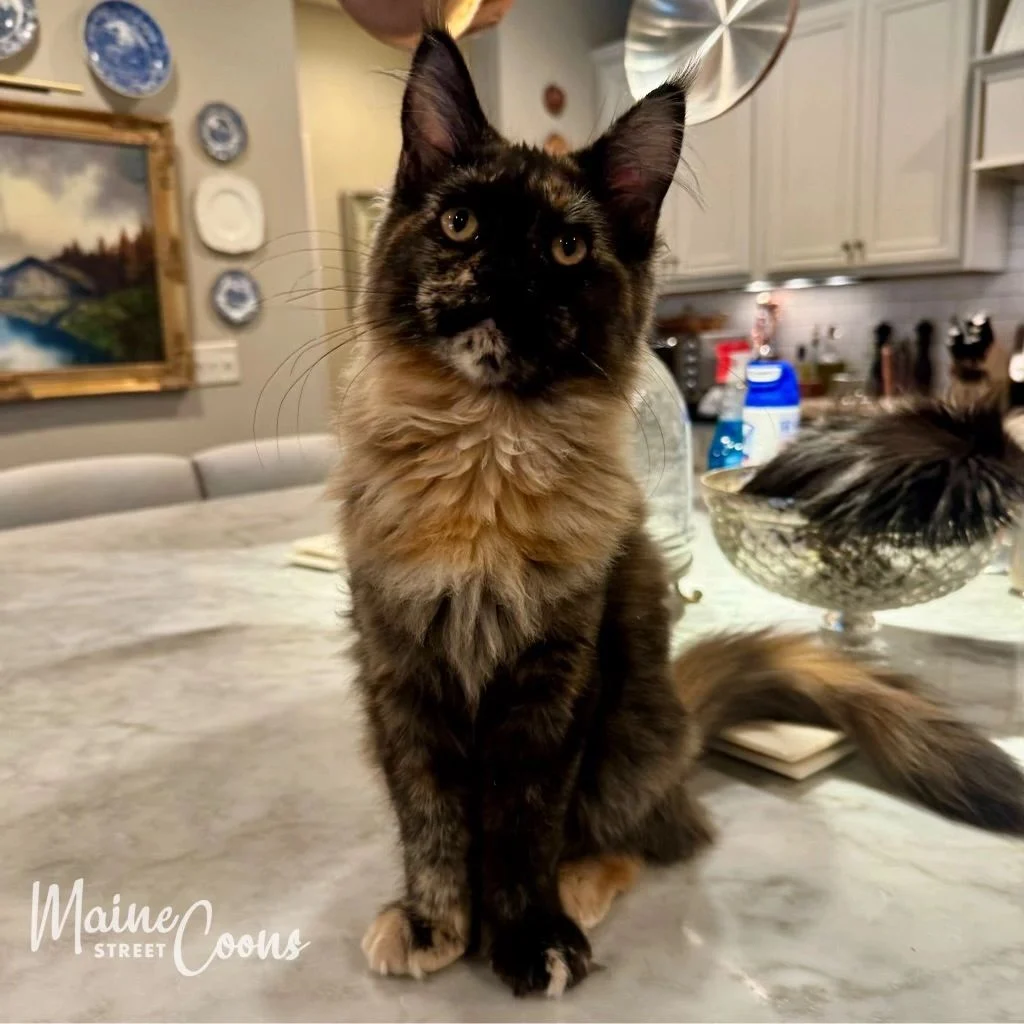
Choosing when to spay or neuter a Maine Coon is a critical decision that can affect both health and behavior. As caring owners, we need to understand the right timing for this surgery so we can lower the chance of complications and still avoid hormone-driven habits like calling or spraying.
Getting to Know Maine Coon Cats
Maine Coons are a unique breed, recognized for their big size, tufted ears, and friendly nature. Because they mature more slowly than other breeds, the right time to spay or neuter can be affected. Most Maine Coons reach full physical maturity at about 3 to 4 years old, yet hormone-driven behaviors begin far sooner.
Why Spay or Neuter at All?
Spaying a female or neutering a male is surgery that stops a cat from reproducing, and it brings a number of benefits:
- Reduced Risk of Health Problems: Spaying lowers the chance of ovarian and uterine cancers, and neutering removes the risk of testicular cancer while reducing prostate problems.
- Behavioral Benefits: Cutting back on hormone-driven habits, such as loud calling in females and territory marking (spraying) in males, can make home life more pleasant for you and your cat.
- Population Control: Avoiding unplanned litters means fewer homeless cats and less strain on animal shelters.
The Best Time to Spay or Neuter a Maine Coon
General Recommendations
- Female Maine Coons: The usual advice is to spay females at about the time their first heat is expected, which tends to happen between 6 and 9 months old. Spaying early can stop heat cycles and the behaviors that come with them, like calling.
- Male Maine Coons: The key for males is to neuter after testosterone production has started. In most cases that means booking the surgery at about 11-12 months old, once the smell of their urine has changed.
Weighing Individual Factors
General guidelines are useful, but each cat's individual circumstances also matter:
- Breeder's Requirement: Plenty of breeders have kittens spayed or neutered early, before they leave the cattery. That may not be best for the kitten's health, but some breeders accept the risk to be certain the surgery gets done. Breeders who do not spay or neuter early typically require it by a set age in their purchase agreements or contracts. Ask exactly what is expected of you and follow the contract so you avoid possible legal action.
- Veterinarian's Advice: Talk with your vet to decide on the best timing for your cat’s development and health.
- Health Conditions: When a Maine Coon has health problems, the vet may recommend waiting until those are resolved before surgery.
- Behavioral Signs: Watch for early signs of hormone-driven behavior and mention them to your veterinarian.
Early vs. Delayed Spaying/Neutering: Risks and Benefits
Early Spaying/Neutering
Pros:
- Stops hormone-driven behaviors.
- Lowers the chance of reproductive cancers.
- Makes surgery simpler because the cat is smaller.
Cons:
- Possible complications from a higher risk of sensitivity to anesthesia.
- Possibly a small rise in the risk of some orthopedic diseases.
- May affect bone growth plates and lead to a taller build, which matters less in Maine Coons since they are naturally large.
Delayed Spaying/Neutering
Pros:
- Could help bone growth and development.
- Gives time to keep watch on the cat’s health and growth.
Cons:
- Chance that hormone-driven habits such as spraying and calling develop.
- Greater chance of accidental pregnancy in females.
- Possibly higher health risks involving the reproductive organs.
Final Thoughts
Spaying or neutering your Maine Coon is a significant choice, and the timing deserves careful thought to give your cat the best result for health and behavior. The general advice is to spay or neuter at around 5 to 7 months old, but each cat's individual factors should be taken into account. Talk with both your breeder and your veterinarian to settle on the right timing for your Maine Coon.
With a well-informed choice, you can help your Maine Coon enjoy a healthier, happier life without the problems that hormone-driven behaviors and reproductive health issues can bring.
Disclaimer:
Everything Maine Street Coons and owner Kyra Hagan share here is meant only for general education and reflects the breeder's own experience. Nothing here should be taken as professional veterinary advice, diagnosis, or treatment. Ours is a private cattery, and Kyra Hagan does not hold a veterinary license.
Every health decision should be made together with a licensed veterinarian who has personally examined your cat. Each Maine Coon is an individual, and health outcomes may differ because of genetics, environment, and other factors.
Maine Street Coons does not guarantee that the information provided is accurate or applies to your situation. Always ask your veterinarian for advice specific to your cat. If a medical emergency occurs, call your vet or an emergency animal hospital right away.