
Maine Coon Hip Dysplasia: Protecting the Hips of a Gentle Giant
April 8, 2024|Health & Nutrition
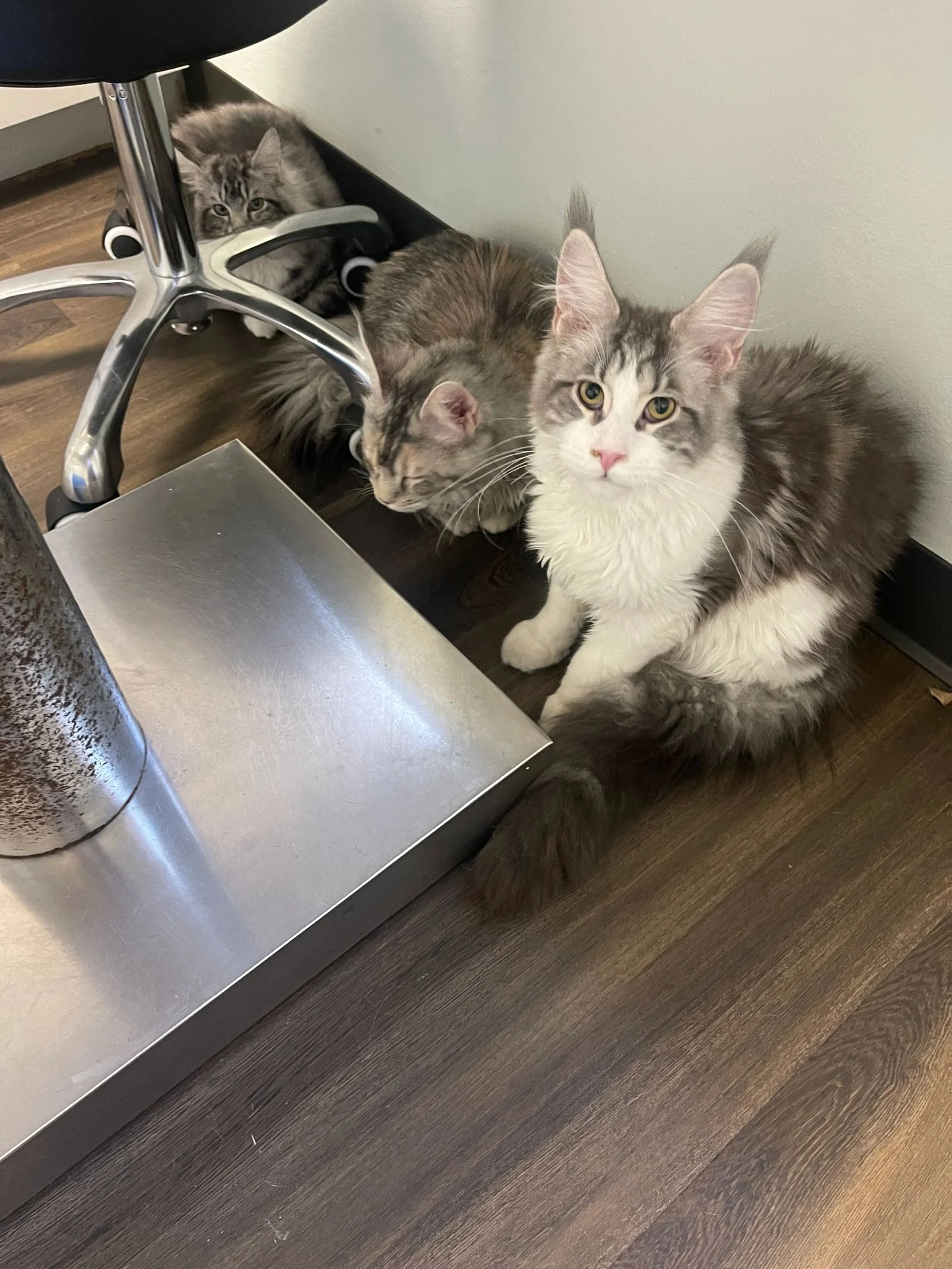
Getting to know Maine Coon cats feels like being welcomed into a royal court, one where the sturdy, good-natured Maine Coon reigns as a kind-hearted giant among cats. Still, even these big cats can hide quieter problems inside their impressive frames.
Loved for its playful spirit, lush coat, and tufted ears, this wonderful breed has a weak spot that every owner should understand. Here we look at one of the rising concerns among Maine Coon lovers: Maine Coon hip dysplasia.
A Quiet Problem: Understanding Hip Dysplasia
If you are new to the topic, hip dysplasia is a malformed hip joint that can result in painful arthritis, and dogs are not the only animals that get it. In cats, Maine Coons especially, there is no formal DNA test, so we usually depend on watching for symptoms and breeding carefully to lower the risk. This congenital condition has no single direct cause in cats; instead, a mix of genetic and environmental factors shapes whether it develops. Keep in mind that although hip dysplasia is a real concern for Maine Coons, it is less common in this breed than in some dog breeds, such as the German Shepherd.
Preventing and Managing Hip Dysplasia
Prevention is often called the best medicine, and lowering the risk of hip dysplasia in Maine Coons starts with responsible breeding. Breeders need to stand up for their lines and stay firmly committed to steering clear of inherited conditions.
Ethical Maine Coon breeders put real effort into making hip dysplasia less common in this much-loved breed. Look for a breeder who X-rays the hips of every breeding cat before its first mating and again near its second birthday. Ideally, their vet submits those films to OFA, the Orthopedic Foundation for Animals, where a panel of orthopedic specialists reads them. OFA then posts the results in its public database.
Nothing can guarantee a cat will never develop hip dysplasia, but some steps may help lower the risk for Maine Coons. They include:
- Steady exercise and a healthy weight to keep joints strong
- Glucosamine or other joint supplements to help keep joints healthy
- A balanced diet with key vitamins and minerals for overall wellness
- No over-breeding, and no breeding from cats known to have hip dysplasia
Diagnosing a Hidden Condition
Diagnosing hip dysplasia in a Maine Coon takes real expertise. Using tools such as X-rays and hands-on exams, veterinarians can judge how far the joint is out of place. So when can a Maine Coon actually be diagnosed?
Catching early signs matters, but it is not easy. Symptoms show up in different ways and at different times; some kittens limp as early as five months old, while other cats show no clinical signs until much later in life, or never at all.
As an owner, staying watchful is your best tool. Look for small clues, like trouble getting up, struggling with stairs, or difficulty using the litter box. These may point to a bigger problem underneath. Screening early is best, and dependable results usually come once a kitten's skeleton is fully developed, at some point between one and two years old.
Treating Sore Hips
Treatment for hip dysplasia in Maine Coons varies as much as the condition does. Mild cases can often be handled with a whole-body approach that includes weight control, exercise suited to the cat, and joint supplements. When the bone and cartilage are badly malformed, though, surgery becomes essential.
Surgery can bring very encouraging results, especially femoral head osteotomy and total hip replacement, both of which can restore a cat's mobility. Aftercare takes patience and close attention, and rehab is often part of healing.
As you might guess, surgery is expensive. That is why we strongly urge every family who adopts from us to activate their Trupanion pet insurance policy when they adopt and keep it for their cat's whole life. Without insurance, diagnosing and correcting hip dysplasia in a Maine Coon can easily cost an owner $4,000-$6,000.
Living Fully With Hip Dysplasia
A hip dysplasia diagnosis is not what anyone hopes for, but it does not have to define a cat's life. We offer ideas on how owners can help their cats keep a great quality of life, such as changing the layout of the home, finding orthopedic beds and furniture, and creating a supportive household.
Chondroitin and glucosamine supplements can help ease pain, and regular, gentle activity can strengthen the joint structures that remain. It takes ongoing dedication, but the payoff in your cat's comfort and happiness is beyond measure.
Final Thoughts: A Caring Community of Owners
As we close this look at hip dysplasia in Maine Coon cats, the key takeaways are awareness, preparation, and learning from one another. Building a community that cares about the health and happiness of these noble cats is a worthy goal. We encourage every Maine Coon owner to talk openly, sharing both their struggles and the solutions they have found.
So, dear reader, we invite you to work closely with your veterinarian, make use of the resources available, and be a source of support as we all keep learning and adapting. These gentle giants may have hips that bend, but with shared effort and new knowledge, the Maine Coon's spirit will never break.
Disclaimer:
Everything Maine Street Coons and owner Kyra Hagan share here is meant for general education only and is based on the breeder's own experience. Nothing here is professional veterinary advice, a diagnosis, or treatment. Kyra Hagan is not a licensed veterinarian, and Maine Street Coons is a private cattery.
Make every health decision together with a licensed vet who has personally examined your cat. Each Maine Coon is an individual, and health outcomes can differ because of genetics, environment, and other factors.
Maine Street Coons does not guarantee that the information here is accurate or applies to your situation. Always ask your veterinarian for advice specific to your cat. In a medical emergency, call your vet or an emergency animal hospital right away.