
Why Early Kitten Socialization Shapes a Confident Maine Coon
April 2, 2024|Behavior
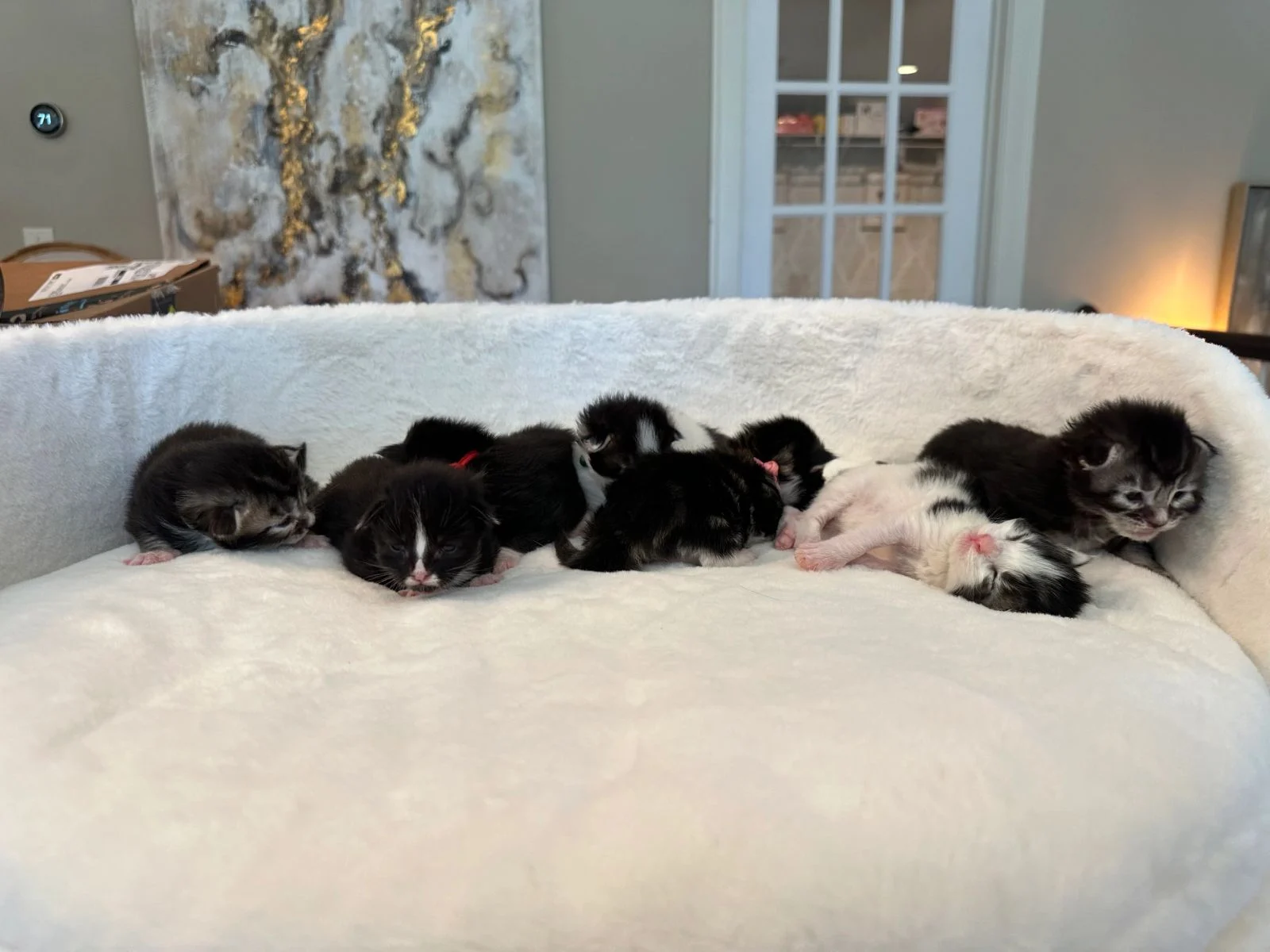
Among all the cats people share their lives with, Maine Coon kittens stand out as a lovely breed with remarkable promise as companions. Strong paternal temperament and positive kitten socialization from the very start must work together to produce a confident, loving cat with enormous capacity to learn. Far too often, breeders who lack experience or education overlook how brief this window really is, and yet it is during this early 'golden' stage that these precious little souls start to form. In this opinion piece, I share my firm belief that socialization beginning at birth is especially vital to building strong, steady temperaments in Maine Coon kittens.
Who the Maine Coon Really Is
Maine Coons are famous for their gentle disposition, sharp minds, and impressive size. Commonly called the 'gentle giants' of domestic cats, they carry themselves with a calm self-assurance and meet the world with a friendly attitude. Given a solid grounding in socialization, this breed can flourish as a family companion that genuinely understands and returns the social bond people offer.
The Timing of Kitten Socialization
Temperament is best described as an animal’s personality or individual character, a trait shaped by genetics, surroundings, and social contact. The influence of the environment starts before birth and carries on through the animal’s early life.
For Maine Coons, socialization is far more than casual contact; it is a thoughtfully staged dance that guides who they will become as adults. Through socialization, kittens form relationships with other living creatures and learn proper behavior, how to read their surroundings, and essential life skills.
In the first seven weeks of life, kittens are much like a blank page, their minds open to absorbing the experiences that will set their emotional direction. Because Maine Coons are a slow-maturing breed, these weeks are essential. This is a key stage when good experiences can outweigh fear and a steady temperament can take hold.
How Early Socialization Shapes a Maine Coon for Life
Good early socialization carries through the whole life of a Maine Coon, influencing its health and well-being. Maine Coon kittens that are well socialized tend to settle into new surroundings easily, feel less stress, and show an overall friendlier temperament. As they mature they become more engaging and less prone to behavior problems, which makes them wonderful family pets.
Many people assume that Maine Coons, being so ruggedly independent, need less socialization than more 'malleable' cats. Nothing could be more mistaken; the very qualities that set Maine Coons apart call for a firm social foundation so that confidence, rather than nervousness, defines them.
Compared with other domestic breeds, Maine Coons show a clear social drive that pushes them to form and keep close bonds with their people. This built-in trait makes continued social contact necessary well past their earliest weeks. Where some breeds may prefer to be left alone, Maine Coons do best in family homes where they can join in everyday routines and feel like part of the pack. Their friendliness extends beyond people, too; Maine Coons frequently live happily with other pets, showing an adaptability and companionship that more standoffish breeds cannot match. This leaning toward connection adds to their charm as family pets and shows why they should be welcomed into family life as full members.
Through my years as a Maine Coon breeder and devoted fan, I have watched the sharp contrast between Maine Coons that were well socialized and those that missed out early. The first group shows a self-confidence that is a joy to see, while the second, though often sweet at heart, carries a wariness that can be hard to undo.
When a breeder has not socialized Maine Coons properly, you can often tell by watching for particular behaviors and traits. Signs can include obvious hesitancy or fear around people and other animals, a habit of hiding or avoiding contact, and a clear absence of the curiosity and playfulness usually seen in well-socialized Maine Coons. Unsocialized Maine Coons may also become aggressive as a form of self-defense, hissing, swatting, or biting when someone approaches or picks them up. By contrast, a Maine Coon kitten that has been well socialized will be confident, easy to approach, and eager to engage with its surroundings and the people and pets in them.
Meeting the Demands of Socialization
Socializing Maine Coon kittens well comes with real obstacles. Time is one of the biggest: proper socialization requires a great deal of time and attention, both of which can be scarce, particularly for breeders raising several litters at once. Skill is another factor; not everyone has the knowledge needed to socialize kittens successfully.
To overcome these challenges, breeders and anyone caring for kittens should commit to a hands-on style of socialization. That means bringing kittens into the center of family life and offering a wide range of experiences, such as meeting many different people, hearing everyday household sounds, and enjoying supervised play with their mother and littermates.
Maine Coon kittens need exposure to everything they are likely to face over their lives, including baths, grooming, nail trims, car trips, and trips to the veterinarian. Early exposure makes these potentially stressful or scary events feel ordinary. Handling paws often, for example, can turn nail trims into a simple routine instead of a struggle. Starting baths and grooming early teaches kittens to stay relaxed during them. Likewise, car rides that end somewhere pleasant, not only at the vet, can ease travel anxiety. Above all, rewarding kittens with treats and affection during these moments deepens the bond between Maine Coon kittens and the people caring for them, laying a foundation of trust and comfort with handling.
A Breeder's Ethical Duty
As the people who design a Maine Coon's earliest social experiences, breeders carry a serious responsibility. They are obligated to put the early well-being of each litter first, caring not only for physical health but for emotional resilience too. Anyone hoping to bring home a Maine Coon should make research a priority and look for breeders with a proven history of careful, effective kitten socialization.
Maine Coon kittens that know how human hands smell from their first day, and that link human presence and touch with good things such as nursing, grow into more confident Maine Coon cats. This early imprinting through touch strongly shapes how they respond to people and their surroundings. Once kittens discover that human contact brings comfort and care, they tend to greet people with trust and affection. Gentle handling from a very early age supports their social growth and also helps them adapt to many different situations, so they become balanced, friendly pets. That early foundation of trust is key to raising Maine Coons that are both physically sturdy and emotionally secure and outgoing.
Socialization: A Gift Passed to Every Kitten
To close, the effect of early socialization on Maine Coon kittens is hard to overstate. Given with care, it becomes a rich inheritance that helps this majestic breed grow into the dignified, loving companions people admire so deeply. I urge cat lovers to choose a breeder thoughtfully, one who understands their vital part in this process and is dedicated to giving these wonderful kittens the support and experiences they need for a life full of rewarding social bonds.
The work can feel overwhelming, yet the payoff, watching a once shy little ball of fur become a confident, friendly cat, is beyond measure. In the end, this is about more than the cat; it is about the lifelong bond we build with an animal that is truly, in every way, family.