
10 Questions to Ask a Maine Coon Breeder, and What Good Answers Sound Like
August 10, 2025|Breeding
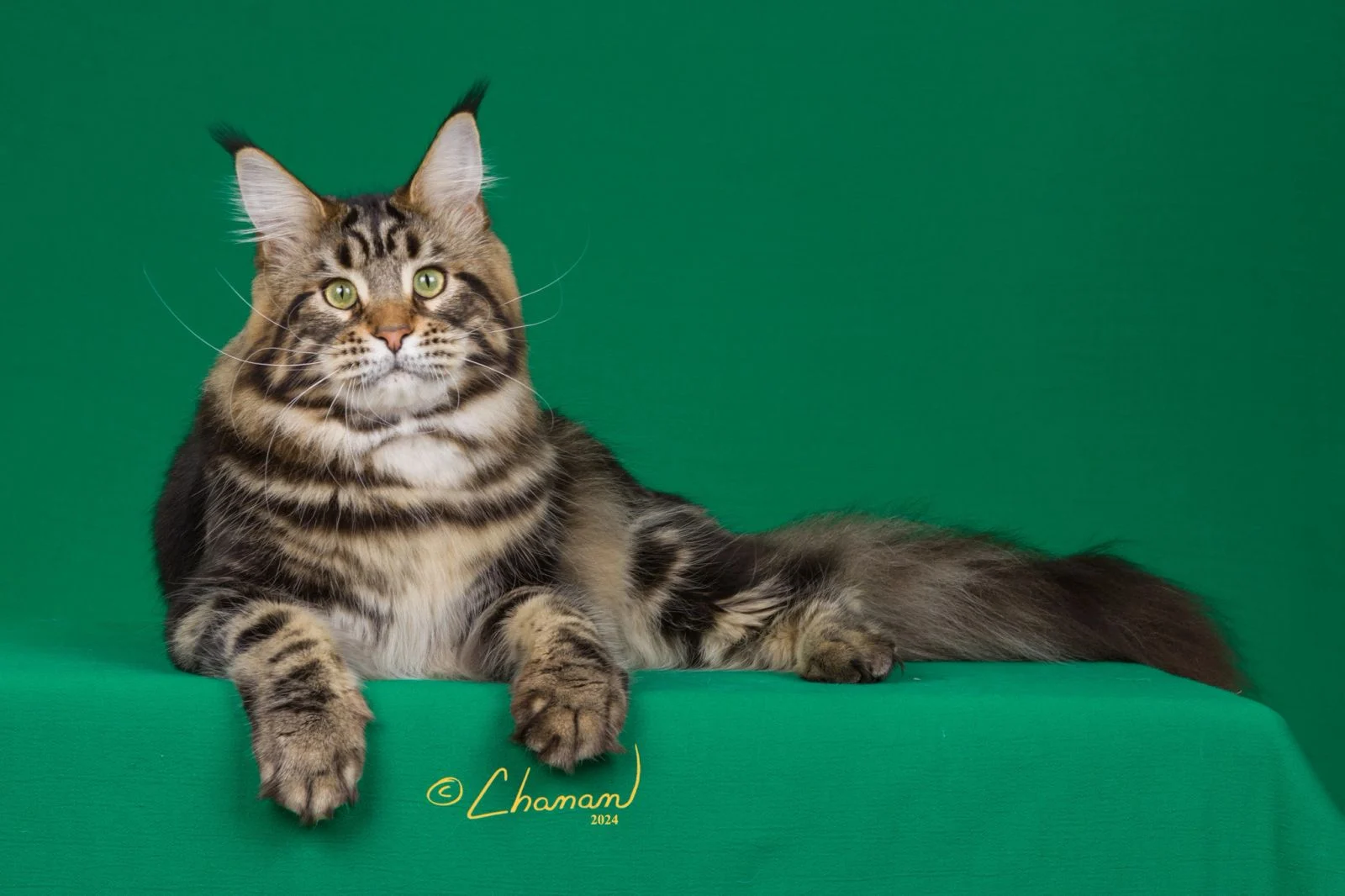
Bringing a Maine Coon home is a thrilling step. These gentle, clever cats with their regal coats have won a devoted following among cat lovers. Still, the breeder you pick matters enormously, because it shapes whether your kitten arrives healthy and well cared for. Standards vary widely from one breeder to the next, and the wrong choice can bring heartbreak, surprise costs, or health problems for your new companion.
Ethical breeders protect the health and happiness of their cats with good care, genetic testing, and honesty. To help you spot them, we've gathered the 10 most useful questions to ask a Maine Coon breeder, plus guidance on what a good answer sounds like. By the end, you'll be ready to choose a breeder who shares your goal of giving your Maine Coon the best possible life.
Question 1: Can you show records that every one of your cats is seen by a vet and vaccinated each year?
Why It Matters
Yearly vet exams and vaccines are a must for keeping any cat healthy. This preventive care guards against illness, keeps the body in top condition, and catches potential problems early, before they turn serious or hard to manage. For Maine Coons, a large breed with its own particular health considerations, routine professional care matters even more.
A cat that isn't examined regularly by a qualified veterinarian faces a greater chance of illness going untreated, which can cause lasting complications or even a shorter life. Good breeders understand this and treat professional veterinary care as a necessary investment rather than an optional cost. When a breeder can't or won't share these records, that may point to a lack of openness or to poor care for the animals they keep.
What a Good Breeder Will Tell You
A health-focused breeder will welcome this question. Expect them to offer:
- Full Transparency in Records: They should happily hand over documented proof of yearly veterinary exams for every breeding cat and kitten. These records usually cover vaccinations, overall health checks, and any treatment given.
- Core Vaccines Confirmed: For kittens and adults alike, the standard core vaccines protect against feline panleukopenia, calicivirus, and rhinotracheitis. Depending on local risk and legal requirements, a responsible breeder may vaccinate against rabies as well.
- A Trusted Veterinary Partner: They may tell you about the trusted veterinarian they work with, or even a feline specialist, so their cats get the very best standard of care.
The breeder may also use the moment to show you that their preventive care goes further than routine vaccines, covering things like parasite prevention.
Question 2: Do your records prove your breeding cats test DNA Negative for HCM, PKD, SMA, and PkDef?
When you compare Maine Coon breeders, knowing the genetic health of their breeding cats is key. Ask whether the breeder keeps records proving their cats test DNA negative for inherited conditions, among them PKD (Polycystic Kidney Disease), HCM (Hypertrophic Cardiomyopathy), PkDef (Pyruvate Kinase Deficiency), and SMA (Spinal Muscular Atrophy). How they respond tells you a great deal about their dedication to healthy kittens and to avoiding genetic illness that can be prevented.
Why It Matters
Testing for inherited disease is a core part of ethical breeding. Like every breed, Maine Coons can carry a tendency toward certain genetic disorders. Screening breeding cats for the genes tied to these conditions makes it less likely that kittens will inherit health problems that could be disabling or even fatal.
A brief look at each condition:
- Hypertrophic Cardiomyopathy (HCM): A common feline heart disease in which the heart muscle thickens and the heart works less well. HCM can lead to heart failure, blood clots, and a short life expectancy.
- Spinal Muscular Atrophy (SMA): An inherited disorder of the spinal cord that causes muscle weakness and poor coordination. It isn't painful, yet it has a major impact on a cat's mobility and quality of life.
- Pyruvate Kinase Deficiency (PkDef): An inherited condition in which an enzyme problem in the red blood cells causes anemia, bringing fatigue, weakness and, in severe cases, a shorter life expectancy.
- Polycystic Kidney Disease (PKD): Cysts develop in the kidneys and, over time, lead to chronic kidney disease and organ failure.
Testing lets responsible breeders find carriers of these conditions and make sure two carriers are never paired, which keeps the diseases from appearing in their kittens.
Skipping testing can produce kittens who go on to develop serious medical problems, bringing heartbreak to their families and possibly costly vet bills. That is why health-minded breeders always make DNA testing a central part of their program.
What a Good Breeder Will Tell You
A breeder who takes genetic health seriously will share thorough, open documentation. Here is what an ethical breeder's answer should cover:
- Certificates of Genetic Testing: They should be quick to show official DNA results for HCM, SMA, PkDef, and PKD on every breeding cat. These papers often come from licensed laboratories that focus on feline genetics.
- Testing Explained Clearly: A trustworthy breeder can walk you through how and when testing happens, ideally before a cat ever joins the breeding program. They may also mention that cats are retested from time to time to confirm their ongoing health.
- Honesty About Carrier Cats: When testing shows that a cat carries a genetic condition, a responsible breeder will be honest about how they plan matings. An ethical breeder may pair a carrier only with a DNA-negative cat so no affected kittens are born. Crucially, two carriers are never paired.
- Open Pedigrees: Ethical breeders share lineage details for their cats, so you can trace genetic health across several generations.
You should walk away from their answer confident that genetic health comes first in how they breed.
Warning Signs
Sadly, some breeders skip the proper steps for genetic disease testing. Watch carefully for these red flags:
- No Evidence of Genetic Testing: A breeder who can't or won't show DNA test paperwork for their breeding cats is waving a serious warning flag. Saying the cats are “healthy” without proof falls short.
- Claims That Testing Isn't Necessary: Steer clear of breeders who say genetic disorders are “rare” and that testing is therefore pointless. That view shows either a gap in knowledge or a disregard for sound breeding practice.
- Evasion or Defensive Responses: If a breeder turns defensive or dodges the topic of genetic testing, they may be hiding something.
- Breeding Just for Traits: Be careful with breeders who care only about looks such as size or coat color and give no thought to their cats' genetic health.
- Overemphasis on Cost: Responsible breeding takes a real investment in testing, care, and planning. A breeder who puts low prices ahead of quality may be cutting corners, and skipping genetic tests could be one of them.
Question 3: Do your records show each parent cat cleared of HCM through a yearly echocardiogram by a board-certified veterinary cardiologist?
As you look into Maine Coon breeders, confirming the health of their breeding cats is vital. One key question is whether every parent cat receives a yearly echocardiogram to screen for Hypertrophic Cardiomyopathy (HCM), performed by a board-certified veterinary cardiologist. The reply is a strong signal of how committed the breeder is to health and ethical practice.
Why It Matters
Among cats, no heart disease is more common than HCM, and it is especially widespread in Maine Coons. The condition thickens the left ventricle of the heart, which can cause heart failure, blood clots, and sudden death. There is no cure for HCM, and although cats of any breed can develop it, Maine Coons carry a greater genetic predisposition.
Yearly echocardiograms performed by a board-certified veterinary cardiologist are considered the gold standard for finding HCM. This focused ultrasound of the heart gives a detailed picture of how it is working and can pick up early signs of disease that would otherwise be missed. A DNA test does exist for one HCM-linked mutation in Maine Coons, but it isn't foolproof, since cats without the mutation can still develop HCM. That is why echocardiograms belong in every responsible breeding program.
When breeders make these screenings a priority, they show a real commitment to lowering HCM rates in their litters and to improving the breed's health over the long run.
What a Good Breeder Will Tell You
An ethical breeder should answer this question openly and with real knowledge. Look for these points:
- Records of Yearly Echo Screening: Ask to see records proving every breeding cat has an echocardiogram each year. These records should be simple to check, with the veterinarian's name and credentials clearly listed.
- Use of Specialists: A responsible breeder will stress that these echocardiograms are done by a board-certified veterinary cardiologist. Such specialists are trained to spot subtle signs of heart disease that a general practice vet could miss.
- A Retirement Policy for Cats With Heart Problems: If early signs of HCM turn up in a parent cat, the breeder should have a clear, responsible policy in place, for example removing that cat from breeding so the condition isn't handed down to future litters.
- Commitment to Transparency: The breeder should gladly show certificates confirming that every breeding cat was cleared of HCM at its most recent echocardiogram. Many are pleased to explain why these screenings matter and how they fit into their breeding routine.
An answer like this shows a breeder who puts health and ethical care first, rather than simply raising kittens for profit.
Warning Signs
Not every breeder holds to these high standards. Keep an eye out for these warning signs when you talk about HCM screening:
- Lack of Documentation: A breeder who can't produce clear, thorough records of yearly heart screening by a veterinary cardiologist gives you real reason to question their credibility and their dedication to health.
- Reliance Solely on DNA Testing: Genetic testing for the Maine Coon HCM mutation matters, yet it can't replace yearly echocardiograms. Relying only on a DNA test means a breeder is leaving out a key step in protecting heart health.
- Claims That Echocardiograms Are Unnecessary: Some breeders may say they “don't need to test every year” or that their cats “don't show signs of heart problems.” Remarks like these reveal a poor grasp of how quietly and gradually HCM can progress.
- Defensive or Evasive Responses: Responsible breeders are glad to answer questions about how they handle health and talk about it freely. If a breeder seems uneasy or brushes off questions about HCM screening, they may be hiding something.
- Minimal Investment in Health: Breeding the right way is expensive, and routine echocardiograms are a serious commitment to high health standards. A breeder focused on trimming costs is probably doing so at the cost of their cats' well-being.
Question 4: Which premium diet do your mother cats and kittens eat?
The food a Maine Coon breeder gives their cats and kittens says a lot about their dedication to health and good care. Ask exactly how mother cats and kittens are fed, and how canned food and dry food (kibble) are combined, because the answer helps you pick out a breeder who is both ethical and well informed.
Why It Matters
Good nutrition underpins a cat's whole health, and this is especially true for queens (mother cats) who are pregnant or nursing, and for their kittens. A premium diet matched to each life stage supports healthy growth, a strong immune system, and sound development. Early feeding lays the groundwork for a kitten's lifelong wellness, while for mothers it aids recovery after pregnancy and meets the heavy nutritional demands of nursing.
A quality diet has to supply the right mix of protein, fat, vitamins, minerals, and moisture. As a large, sturdy breed, Maine Coons have particular nutritional needs that a responsible breeder has to plan for. Cheap or badly balanced food leaves mothers and kittens exposed to developmental problems, poor weight gain, and weaker immunity. For that reason, checking how a breeder feeds is essential.
What a Good Breeder Will Tell You
A top-quality breeder will name the foods they use and explain why they chose them. Listen for these points:
Premium Diets Suited to Cats
- Dry Food (Kibble): Breeders should pick a quality kibble made for cats, ideally a formula designed for Maine Coons, for pregnant or nursing cats, or for kittens. Such formulas usually carry extra calories, protein, and fat to fuel growth and milk production. Choose brands that list real meat first and skip fillers like corn or soy. Most of the nutrition should come from animal sources.
- Canned Food (Wet Food): Good breeders pair dry food with quality canned food. Wet food gives cats the moisture they instinctively need and can help ward off dehydration. For nursing queens, it adds extra hydration to support plenty of milk. Look for high protein, low carbohydrates, and no artificial additives or fillers.
Matched to Life Stages: Breeders should change diets to suit each stage of life and of the reproductive cycle:
- Pregnant/Nursing Queens: Expect them to offer calorie-rich kitten food or a dedicated formula that supports the queen's health and her milk supply.
- Kittens: The aim is a smooth shift from nursing to solid food at about 4-5 weeks of age. Expect a responsible breeder to describe gradual weaning, offering soft, easy-to-digest wet food blended with kibble until the kittens can handle solids.
Brand Transparency and Consistency: Trustworthy breeders freely name the brands and exact products they rely on. A responsible breeder's choices often include high-end lines such as Purina Pro Plan, Farmina, Royal Canin, Hill's Science Diet, or a premium grain-free food. Their reply should reflect a careful approach to feeding, supported by thorough research and veterinary input.
Understanding of Nutritional Standards: Breeders should show they understand what cats need nutritionally, citing guidance from the World Small Animal Veterinary Association (WSAVA) or from AAFCO (Association of American Feed Control Officials). This shows they are serious about offering the best nutrition.
Willingness to Provide Feeding Recommendations: Good breeders generally explain how to carry on their feeding plan once the kitten moves into your home. They understand that keeping the diet consistent is key to preventing an upset stomach.
Warning Signs
Nutrition isn't a priority for every breeder. Take care if you notice any of these:
- Use of Low-Quality Diets: A breeder who feeds generic or bargain supermarket brands packed with fillers, artificial preservatives, or by-products is showing little concern for their cats' health.
- Vague or Evasive Responses: A breeder who won't name the exact brands, formulas, or feeding routines they use may lack confidence in their methods, or, worse, may not value nutrition at all.
- No Canned Food Offered: Some breeders feed kibble alone because it's easy, yet this can leave cats short on vital hydration. A dry-only diet raises doubts about how well they understand feline health.
- Overemphasis on Cost Savings: Good food is a real expense, so a breeder who boasts about how cheap their feeding plan is (without naming quality brands) may be cutting corners.
- Improper Care for Queens or Kittens: When a breeder doesn't stress the distinct nutritional needs of pregnant queens or of kittens, it shows a gap in their feline care knowledge.
Question 5: At what ages do your breeding cats have their first and final litters?
Picking a responsible Maine Coon breeder includes making sure they follow ethical breeding guidelines. A big part of that is knowing the ages at which their cats have a first litter and a last one. The answer reveals the breeder's knowledge, their care, and their devotion to their cats' well-being.
Why It Matters
When a cat's breeding years begin and end has a big impact on her health, her lifespan, and the quality of her kittens. Cats bred too young or too old face a higher risk of problems like weaker kittens, hard pregnancies, or a shorter life.
This matters even more for Maine Coons, a large breed that grows slowly. Maine Coons usually need up to 4-5 years to reach full maturity. Breeding them before they have grown properly can put too much strain on a body that is still developing, raising the risks of pregnancy and birth. In the same way, overbreeding older cats can cause physical exhaustion, less healthy litters, and a lower quality of life overall.
An ethical breeder plans the timing of their program around the well-being of the studs (male breeding cats) and queens (female breeding cats), protecting the parents and producing healthier, sturdier kittens.
What a Good Breeder Will Tell You
A trustworthy breeder will have a clear plan for when cats are bred and when they retire. Their reply may cover these main points:
- Age for First Litter: Responsible breeders usually hold off until a female Maine Coon is 12-18 months old or older before her first litter. By then she is old enough for a certified echocardiogram and has had time to grow, develop fully, and mature in body and temperament. Breeding a cat too early, especially before full maturity, can put her health and her kittens' health at risk. Males are technically able to breed from sexual maturity (around 6-10 months), yet most ethical Maine Coon breeders wait until a stud is at least a year old, so he has passed his HCM screen and can sire strong, healthy litters.
- Age for Last Litter: Ethical breeders retire cats from breeding well before the later years of life, typically once a queen reaches around 5-6 years old. By then a queen has usually had a few litters, and breeding her past this age could raise health risks such as uterine infection or problems giving birth. Studs generally have a longer breeding life. Many breeders retire males at around 7-8 years of age, or earlier if health concerns show up. Some studs may also retire sooner because of their individual health or because the program no longer needs them.
Warning Signs
Some breeders don't treat their cats' health and safety with the seriousness it deserves. When you talk about breeding ages and practices, be wary of these red flags:
- Breeding Cats Too Early: A breeder who starts queens before they are one year old is showing a serious warning sign. Kittens from immature mothers are more prone to health problems, and the young queen may face complications too.
- Endless Breeding With No Retirement Age: Breeders who keep cats producing well into their later years, or who give queens too little recovery time between litters, are risking their cats' health to boost profits.
- Excessive Numbers of Litters: Producing an excessive number of litters from one queen points to a breeder who values quantity over quality. Overbreeding wears down the queen's health and often yields lower-quality kittens with a greater chance of genetic problems.
- No Detailed Breeding Plan: When a breeder can't give specific age ranges or seems to have no set rules for breeding and retirement, that suggests inexperience or a disregard for ethical practice.
- Lack of Transparency: Be careful with breeders who sidestep any question about retirement ages or breeding schedules. Ethical breeders are always open and truthful about how they work.
Question 6: How much time, at minimum, do you allow between each queen's litters?
One important way to recognize an ethical, health-minded Maine Coon breeder is to learn how they plan the breeding schedule for their queens (female breeding cats). Asking how much time they allow, at minimum, between litters shows you how much care and thought they give to their cats' health and well-being.
Why It Matters
Pregnancy, birth, and nursing place heavy physical demands on every queen. Each cycle wears on her body, and without enough time to recover, her health can decline fast. Asking a queen to produce litters too often isn't just unethical; it can also cause problems such as:
- Weakened immune systems caused by too little recovery.
- Lower fertility rates or shrinking litters over time.
- Stress and emotional exhaustion in the queen, affecting her well-being and her ability to look after later kittens.
- Reduced kitten health, since an overworked queen is less able to give her kittens ideal nutrition and care.
Because Maine Coons are large and mature slowly, their recovery periods deserve even closer attention. Good spacing between litters lets a queen rebuild her strength, reset hormonally, and get every bit of veterinary care she needs, protecting her health and that of the kittens she has later.
What a Good Breeder Will Tell You
An ethical breeder should give a clear, specific answer here, one that shows they put their cats' well-being ahead of profit. A trustworthy reply should cover these main points:
- The Shortest Rest Between Litters: Most responsible breeders give each queen at least eight months, and ideally more, to recover between litters. That allows her time to bounce back in body and mind from the strain of pregnancy and nursing. Some breeders stretch this rest to a year or longer as an extra safeguard, especially for younger or older queens.
Anything shorter, such as breeding a queen back-to-back without enough rest, can cause serious health problems and shows a breeder's disregard for animal welfare.
- Monitoring the Queen's Health Between Litters: The breeder should stress regular health checks for queens while they rest. Vet exams should confirm that a queen's physical condition, weight, and hormone levels have returned to normal before she is bred again. Without close supervision and routine medical review, a queen might be bred too soon, harming her health.
- A Lifetime Litter Limit: Responsible breeders usually cap each queen at three to four litters in her lifetime, spaced well apart. They know this protects her long-term health and lets her enjoy retirement as a much-loved pet.
- Transparent Breeding Practices: An ethical breeder should speak freely about their breeding schedule and methods. They may even describe how they track rest periods with detailed health and breeding records for every queen, a sign of a professional, careful approach to feline care.
Warning Signs
A breeder who can't answer this question well is showing you a major warning sign. Watch for these specific red flags:
- Back-to-Back Litters: Breeding a queen on consecutive heat cycles with no break is a clear mark of unethical practice. It puts huge strain on the queen and raises the chance of health problems for her and her kittens.
- Vague or Evasive Answers: A breeder who won't talk about their recovery-time policy probably doesn't put their queens' health first. Openness is a basic quality of responsible breeders, and reluctance to share program details is a real concern.
- Overemphasis on Profit: When a breeder seems more interested in kitten numbers than in the queen's recovery, it usually means costs are being cut at the cats' expense. Be concerned if you hear things like “Our queens are very productive” or “We have multiple litters per year.”
- Vet Checks Never Mentioned: A reputable breeder makes sure every queen gets full medical supervision while she rests. If health checks never come up, it suggests they aren't investing in proper care.
- High Kitten Availability Throughout the Year: This may sound appealing to buyers at first, but kittens that are always available can be a sign of overbred queens or an oversized operation where care falls short.
Question 7: What is the most litters your cattery will have at one time?
When you research Maine Coon breeders, be sure to ask the largest number of litters they ever have in their cattery at one time. The answer sheds light on how they breed, how they care for their animals, and whether their cats and kittens truly come first.
Why It Matters
How many litters a breeder raises at once can be tied directly to how much care each queen and her kittens get. Handling too many litters together tends to stretch time and resources thin, leading to poorer care for parents and kittens alike. A crowded or overwhelmed cattery can harm:
- Kitten Socialization: Good early socialization is essential for shaping a kitten's temperament and confidence. With too many litters, a cattery may not give each kitten enough one-on-one attention, which can lead to behavior problems or weak social skills.
- Health Standards: Nursing queens and their kittens need careful monitoring to stay well. A breeder juggling too many litters may have trouble keeping up with routine check-ups, vaccinations, and hygiene routines.
- Quality of Life for Queens: A stretched breeder is less able to offer queens the downtime, recovery, and personal attention they need between pregnancies. The result can be stressed or unwell queens, which in turn affects the health of their kittens.
In the end, keeping the number of litters at any one time low means every cat in the breeder's care gets enough attention, which leads to healthier, better-adjusted kittens and happier parents.
What a Good Breeder Will Tell You
A responsible breeder will have clear, well-considered rules about how many litters they handle at once. Their reply should reflect what their operation can truly manage and their dedication to a high standard of care.
1. A Small Number of Litters
Ethical in-home breeders usually cap their cattery at one to two litters at a time. That way there is enough time and enough resources to give every queen and her kittens the attention they need. Capping litters shows a breeder who values quality over quantity.
A breeder should be able to explain how keeping litter numbers low lets them:
- Watch the queens closely through pregnancy and nursing,
- Keep careful track of each kitten's growth and health, and
- Set aside time to socialize the kittens, which is essential between 2 and 12 weeks of age.
2. Capacity That Fits the Cattery and Its Experience
A breeder's litter limit should also match the size of the cattery and the staff or help they have. A small family breeder, for instance, may only handle one or two litters at once, while a larger, established breeder with trained staff and proper facilities might manage three to four without any drop in care.
3. An Open Policy on Managing Litters
A trustworthy breeder will happily talk about how their cattery is set up and what resources go to each litter. That might mean describing separate spaces for queens and kittens, the daily care routine, and how every animal receives personal attention. Being open about all this is a clear mark of someone who takes animal welfare and buyer confidence seriously.
4. Quality Comes Before Quantity
Breeders who keep their programs small often raise healthier kittens with balanced temperaments. They may tell you that fewer litters free them to concentrate on thorough health screening, quality food, and well-planned socialization.
Warning Signs
As you talk with a breeder about litter numbers, watch for these warning signs of poor practice or of profit placed ahead of ethics:
- Too Many Litters Simultaneously: Breeders running three or more litters at once in a single cattery often can't give enough care. Overbreeding queens to keep output high also points to profit coming before any real commitment to health or ethics.
- Lack of Transparency: A breeder who dodges the question or can't say plainly how many litters they have is showing a serious red flag. Ethical breeders are proud of how they work and have no reason to keep their methods hidden.
- Overcrowded or Poorly Maintained Facilities: Too many litters can mean tight, unsanitary living conditions. Take care if a breeder talks about a large-scale operation but never explains how they keep it clean and manage resources well.
- High Kitten Availability Year-Round: It may sound handy, but kittens that are always advertised as available can point to a volume-driven operation pushing queens past healthy limits. That usually takes a toll on kitten health and on the queens' well-being.
- No Evidence of Individualized Care: When breeders can't describe individual care plans, such as separate rooms for each litter or set time for kitten socialization, they may be cutting corners to grow a for-profit breeding business.
Question 8: Do you spay or neuter kittens early, before they leave for their new homes?
At Maine Street Coons, we believe responsible spay and neuter practices matter greatly to kittens' health and to the breed's future, yet we do not support early spay/neuter for Maine Coon kittens. We shaped our policy in close partnership with our trusted veterinarian, and it centers on the health and safety of our cats.
Why It Matters
Some catteries routinely spay/neuter early (before 16 weeks of age). Even so, both our own experience and current veterinary research point to real health benefits in holding off until a kitten is a bit older (yet still spaying or neutering promptly, ahead of sexual maturity), particularly for Maine Coons. Large breeds like the Maine Coon have their own growth and development needs, and a more carefully timed procedure serves them better.
What a Good Breeder Will Tell You
Rather than performing early pediatric spay or neuter, a breeder may send each kitten home under a firm contractual requirement that sets the timeline for altering the kitten according to its gender, for example:
- Female kittens must be spayed when they are between six and nine months old.
- Male kittens must be neutered when they are between seven and ten months old.
Why We Wait
- Minimized Anesthesia Risk: Older kittens usually handle anesthesia better than kittens under 16 weeks old. Waiting for the recommended age window lowers the chance of surgical complications, which matters all the more for a big, slow-maturing breed like the Maine Coon.
- Improved Joint and Urinary Health: New research suggests that delaying spay/neuter until nearer six to ten months of age may lower the chance of some orthopedic and urinary tract problems. Hormones help bones, joints, and internal organs grow in a healthy way, especially in large breeds.
Warning Signs
As you choose a breeder, ask them to explain their spay/neuter policy and the thinking behind it. Be careful if a breeder:
- Has no contractual requirement for sterilization, or gives scattered advice that isn't based on health or best practice.
- Pushes very early spay/neuter for Maine Coons, with no explanation and no awareness of the breed's particular growth needs.
- Has no veterinary partner and offers no guidance on when large breed cats can safely be spayed or neutered.
Question 9: How long does your health guarantee last, and what is covered?
As you choose a Maine Coon breeder, be sure to ask about the health guarantee. In particular, how long does it last, and what does it include? A responsible breeder will offer a clear, complete health guarantee that looks after the new owner as well as the kitten's well-being. The way they answer reveals a great deal about their ethics and their commitment to your future companion's health.
Why It Matters
A health guarantee is more than a promise; it reflects how much confidence a breeder has in their program and in their kittens' long-term health. It should shield you from surprise medical bills caused by hereditary or congenital conditions and show that the breeder accepts responsibility for their kittens' welfare.
Here is why this question carries so much weight:
- Quality Assurance: A strong health guarantee shows the breeder has worked hard, through proper screening and care, to lower the odds of genetic or congenital disorders.
- Financial Protection: Surprise vet bills can feel crushing. A health guarantee gives new owners some recourse if unexpected problems appear soon after a kitten comes home.
- Breeder Accountability: Providing a health guarantee shows a breeder's sincere commitment to ethical practice and their readiness to stand behind their kittens' health.
- Transparency and Trust: A clear, detailed guarantee builds trust and signals that the breeder cares about both the cats and the families who take them home.
What a Good Breeder Will Tell You
A genuine breeder will be open, thorough, and precise about the health guarantee they offer. These are the main elements a responsible breeder usually covers:
- Duration of the Guarantee: Health guarantees often vary in length, but a reputable breeder should offer coverage that reflects fair and ethical practices:
- Initial Short-Term Guarantee: This usually lasts 48 to 72 hours and protects buyers from any undisclosed illness or infection that can be detected right after adoption.
- Longer-Term Genetic Health Guarantee: Many breeders provide a one- to three-year guarantee covering life-threatening hereditary or congenital conditions. Breeders who trust their genetic testing may stretch this to five years or more.
Their reply should assure you that the time frame is long enough to reveal health problems, while also showing how confident they are in their kittens' health.
- Conditions Covered: Responsible breeders will specify what their health guarantee includes. At a minimum, you should expect the following:
- Congenital and Genetic Conditions: Coverage should include life-threatening hereditary problems, for instance kidney disorders or heart disease (e.g., HCM).
- Initial Health Issues: The guarantee should confirm that kittens are free of illness, such as respiratory infections or parasites, when they are adopted.
- Exclusions: The breeder may also list what isn't covered, such as injuries after adoption, problems tied to lifestyle, or diseases that can't be predicted, like FIP.
- Replacement Kitten: If a serious condition develops, the buyer may be given a new kitten of similar value.
- Help With Vet Bills: Some breeders provide financial compensation, partial or full, to help cover veterinary costs.
- Vaccinations and vet care kept on schedule.
- Following proper diet and nutrition guidelines.
- Honoring a spay/neuter agreement (when one applies).
- Keeping a health insurance policy in place for unexpected illness or injury.
Conditions like these show the breeder cares about the kitten's health long after it leaves the cattery.
Warning Signs
Breeders differ in how much detail and care they put into their health guarantees. Watch out for these warning signs:
- Unclear or Vague Terms: Be skeptical of a breeder who hesitates to spell out what the guarantee covers or to put it in writing. Vagueness hints that they may not accept responsibility if problems come up.
- Short-Term or No Guarantee: A guarantee under 72 hours, or no guarantee whatsoever, points to little confidence in their kittens' health or to poor breeding practices.
- No Coverage for Genetic Conditions: A breeder who won't cover hereditary or congenital disorders often isn't doing thorough health testing. Ethically bred Maine Coons should have parents screened for common genetic conditions like HCM, SMA, PkDef, and PKD.
- Breach of Buyer Protection Laws: In some places, the law requires certain guarantees for animals sold by breeders. Be cautious of breeders who won't follow these rules, the Florida Lemon Law among them.
- Excessive or Unreasonable Requirements: It's fair for a guarantee to include care conditions (such as vet visits on schedule), but terms that are overly strict, or penalties for small slips, may be a reason for concern.
Question 10: How do you support new kitten owners once the kitten goes home?
When you weigh up a Maine Coon breeder, find out what help you can count on after your kitten comes home. Responsible breeders see their role as bigger than raising kittens; they serve as a lifelong resource for the people who own the cats they bred. Asking about support after adoption helps you judge whether the breeder truly cares about a smooth transition and the ongoing well-being of you and your Maine Coon.
Why It Matters
Welcoming a new kitten is deeply rewarding, yet both the owner and the kitten may need time to adjust. Help from an experienced breeder can ease the stress and give you the guidance you need to get off to a good start.
Here is why support after adoption makes such a difference:
- Help for First-Time Owners: When you're new to Maine Coons, or to kittens in general, expert advice on hand can help you feel more confident with common hurdles like diet choices, litter box training, and socialization.
- Breed-Specific Knowledge: Their size, temperament, and grooming needs give Maine Coons their own set of requirements. A breeder who knows the breed well can offer focused advice and help sort out breed-specific concerns.
- Lifelong Partnership: Ethical breeders often think of their kitten families as part of a wider circle. Having someone to ask about health, behavior, or care at any point in your cat's life can be priceless.
- Safety Net: If you ever need short-term rehoming help or face an unexpected health problem, a responsible breeder will step in to make sure the kitten's best interests always come first.
What a Good Breeder Will Tell You
Ask a reputable breeder about support after adoption and they will describe the many ways they help new kitten owners, showing their devotion to their cats and their eagerness to help new families succeed.
1. A Thorough Kitten Care Guide
Plenty of responsible breeders give new owners a detailed kitten care package to take home, including:
- Feeding routines and nutrition advice
- Advice on litter box training and keeping the home clean
- Grooming guidelines, especially for the long, thick Maine Coon coat
- Vaccination schedules and reminders for routine vet visits
A guide like this shows the breeder has carefully readied new families for life with their kitten.
2. Staying in Touch
Ethical breeders often stress that they are available for questions at any time, especially during those crucial first days and weeks. They may urge new owners to get in touch if the kitten has trouble settling in or adjusting to a particular routine.
3. Help With Health and Vet Care
Expect the breeder to explain any medical history, vaccination schedules, and advice for future vet care. Some breeders keep ties with trusted veterinarians and can refer you to professionals who know the Maine Coon breed well.
4. Support During the Move Home
A devoted breeder will offer advice on helping the kitten settle into a new home. That may include tips for lowering travel stress, introducing the kitten to other pets, or setting up a safe, cozy space in your house.
5. A Return or Rehoming Policy
One of the most important parts of support after adoption may be a clear rehoming policy. Life can change without warning, and a good breeder will accept one of their kittens back at any time so the cat always has a safe, loving home. This reflects a lifelong commitment to their kittens and makes sure none of them ever ends up in a shelter or an unsafe situation.
Warning Signs
Support after adoption isn't a priority for every breeder. Be wary of these warning signs:
- Lack of Follow-Up Care: If a breeder never explains how they will keep in touch after adoption, or hints that they would rather not hear from you, it may show a lack of responsibility or of interest in their kittens' long-term well-being.
- Few or No Care Instructions: A breeder who skips basic care guidelines or key details such as diet or vaccination records is probably more interested in profit than in the welfare of their animals.
- No Rehoming Policy: Breeders who won't take a kitten back when needed are falling short of their ethical duty as guardians of the breed. Be careful with anyone who treats adoption as a one-and-done sale.
- Overly Defensive Communication: A breeder who comes across as dismissive or short-tempered when you ask for help may not truly care about their kittens or the families who take them home.
The Guide at a Glance
Choosing the right breeder is a vital first step when you welcome a Maine Coon kitten into your family. An ethical, health-focused breeder puts their cats' well-being first, values openness, and supports new owners. These ten questions to ask a Maine Coon breeder will help you find one who meets those high standards:
- Can you show records proving every one of your cats has yearly professional vet care and vaccinations?
- Can you show records proving every breeding cat is DNA negative for HCM, PKD, SMA, and PkDef?
- Can you show records proving every parent cat was cleared of HCM through yearly echocardiograms by a board-certified veterinary cardiologist?
- Which premium mix of canned food and dry food (kibble) do your mother cats and kittens eat?
- At what ages do your breeding cats have their first and final litters?
- How much time, at minimum, passes between each queen's litters?
- What is the most litters you will have in your cattery at once?
- Do you spay or neuter kittens early, before they leave for new homes? Or do you wait to spay/neuter, and if so, why?
- How long does your health guarantee last, and what is covered?
- How do you support new kitten owners once the kitten goes home?
These questions are meant to give you the insight you need to judge a breeder's practices and priorities. From proper health testing to their thinking on nutrition to the help they offer after adoption, every answer adds a useful piece of the puzzle.
When you take time to ask these questions and weigh the replies with care, you set the stage for a rewarding bond with your breeder and with the Maine Coon kitten you bring home. The peace of mind of choosing an ethical breeder will only add to the joy of welcoming a happy, healthy, lovingly raised Maine Coon into your family.