
New Hope for Maine Coon Heart Health: Screening, HCM and a Treatment Breakthrough
October 17, 2025|Breeding
The Maine Coon is a truly remarkable breed. Their sweet temperament, grand size, and stunning looks have won over cat lovers everywhere. Welcoming one of these gentle giants home is an act of love and a promise of a long, happy life side by side. Yet for far too many owners, that hope ends tragically early because of a silent killer: Hypertrophic Cardiomyopathy (HCM).
We often hear from loving owners all over the country who are mourning the sudden death of a young cat that seemed perfectly healthy. One day their lively companion is purring and playing, and the next day they are gone. For many families, this heartbreak is how they first learn about HCM, an inherited heart condition that is sadly common in Maine Coons. Every one of these stories hurts, and each one strengthens our resolve to change what happens to these wonderful cats.
Here, we want to talk honestly about this disease while also sharing the real hope that is emerging. We will cover why proactive screening matters and introduce a breakthrough treatment that is reshaping the outlook for cats diagnosed with HCM.
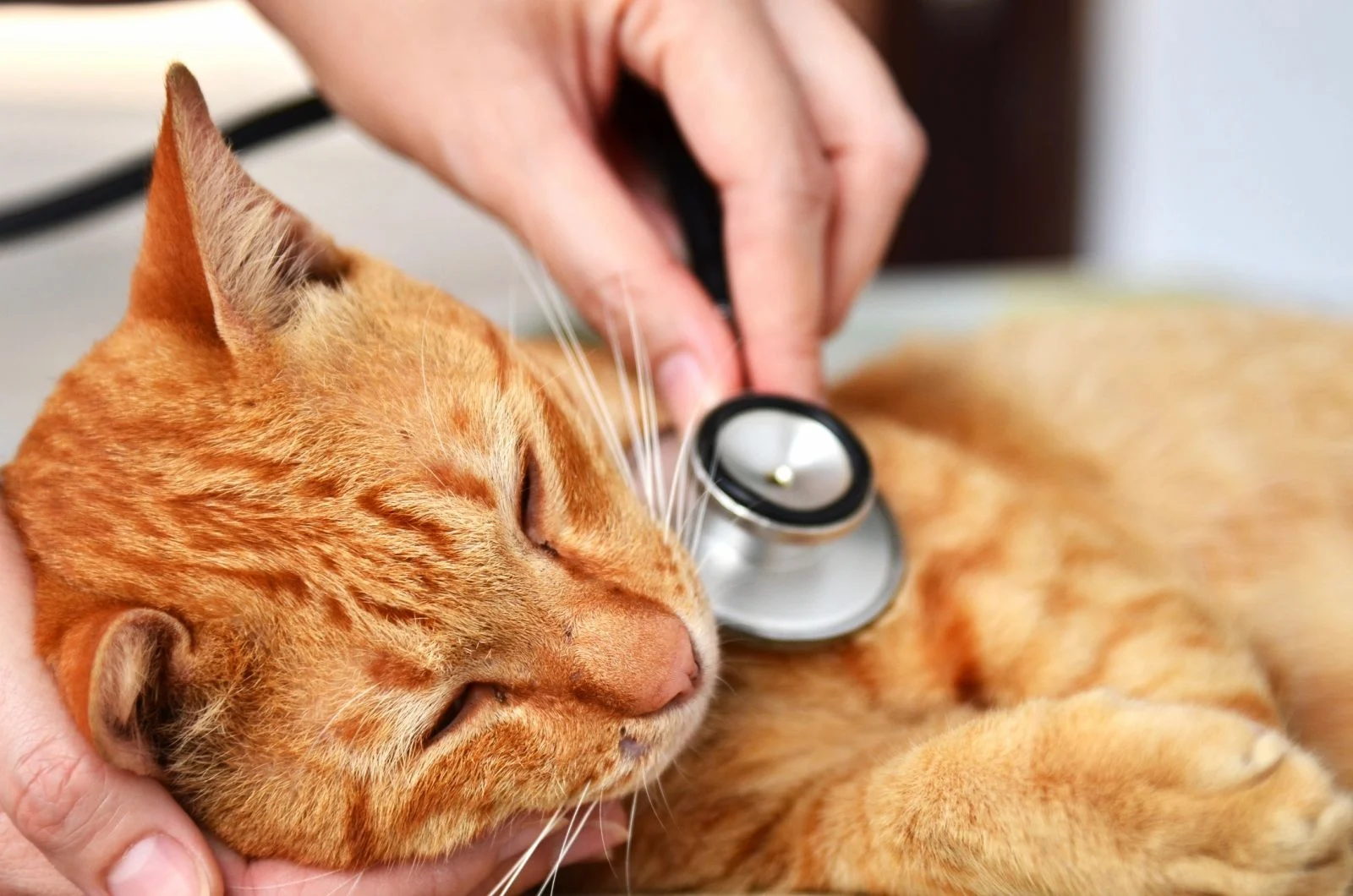
HCM and Maine Coon Heart Health
Of all heart diseases in cats, Hypertrophic Cardiomyopathy is the most common, and it has a specific genetic connection to some breeds, the Maine Coon among them. The disease thickens the muscular walls of the heart, particularly the left ventricle. A thickened heart becomes stiff and pumps blood to the body less efficiently.
Maine Coons are affected by two main forms of HCM, and the difference matters:
1. Congenital (Early Onset) HCM:
Inherited genetic mutations cause this form, and it can appear in very young cats, including kittens and adolescents. Sadly, congenital HCM frequently ends in sudden death early in life, sometimes before the owner has any idea a problem exists. Many Maine Coon families have lived through this painful scenario, losing a healthy, playful young cat to a heart condition no one had diagnosed. Because early-onset HCM is tied directly to genetics, responsible testing and breeding are absolutely essential.
2. Age-Related (Late Onset) HCM:
By contrast, some cats develop HCM as they age, usually as part of normal aging. This form can affect any cat whatever its genetics, and it tends to show up later in life. Breeders cannot control it: even cats from fully clear genetic lines may develop HCM in old age simply because the heart changes with the years, in the same way people develop age-related conditions.
Both forms can progress slowly and may show no outward signs for years, so a cat can look completely normal while the disease quietly moves forward. When symptoms finally appear, they can come on suddenly and severely, often pointing to congestive heart failure.
Typical signs of advanced HCM include:
- Fast breathing or breathing with the mouth open
- Weakness and lethargy
- Not wanting to eat
- Sudden hind-leg paralysis caused by a blood clot (aortic thromboembolism, or ATE)
What frightens owners most is that the first sign is frequently sudden death, particularly in young cats with congenital HCM. That is why proactive screening is more than a suggestion; it is a vital part of owning a Maine Coon responsibly.
DNA Tests and Echocardiograms
It is impossible to fight an enemy you cannot see. With HCM, our strongest defenses are prevention and early detection through careful screening. For that reason, we are deeply devoted to two key practices: DNA testing and yearly echocardiograms.
What DNA Testing Can Tell You
Researchers have pinpointed a specific mutation in the MyBPC3 gene, called A31P, that is linked to a greater risk of HCM in Maine Coons. An easy DNA test, typically a cheek swab, shows whether your cat carries it.
- N/N: Negative/Negative. The mutation is not present in your cat.
- N/HCM: Heterozygous. Your cat has one copy of the mutation and a raised risk of developing HCM.
- HCM/HCM: Homozygous. Your cat has two copies of the mutation and faces a much higher risk.
Keep in mind that DNA results are not a diagnosis. A cat with a positive result may never get the disease, and one with a negative result can still develop HCM because of other genetic or environmental factors that are not yet understood. Even so, DNA testing is an extremely valuable tool that helps breeders make informed choices and reduce how often the known mutation appears in later generations. At Maine Street Coons, our breeding program does not use cats that carry the A31P gene, nor cats that come from lines known to carry it.
The Gold Standard: Yearly Echocardiograms
A DNA test shows risk, but an echocardiogram (an ultrasound of the heart) shows what is actually happening. This non-invasive test is the definitive way to diagnose HCM. During an echo, a veterinary cardiologist can view the heart's structure, measure how thick its walls are, and judge how well it works.
For Maine Coons, we suggest beginning yearly echocardiograms at about one year of age. Checking every year lets a cardiologist follow the heart over time and catch the first hints of thickening well before any symptoms show. Early diagnosis is the key to good management, because it gives you and your veterinarian a chance to step in and slow the disease.
A Treatment Breakthrough: Meet Felycin-CA1
For decades, treating feline HCM meant controlling symptoms after heart failure had already started. Care relied on diuretics to clear fluid from the lungs and drugs to prevent blood clots. These helped, but they did nothing about the root of the problem: the thickening of the heart muscle itself.
That is no longer the whole story. The FDA's recent approval of Felycin-CA1 (mavacamten) represents a huge turning point for feline cardiology.
Felycin-CA1 is the first animal drug ever created to address the source of HCM. It eases the heart muscle's excessive contractions, which helps prevent and reverse the abnormal thickening. Rather than only managing symptoms, it treats the disease at its root.
It is hard to overstate how important this breakthrough is. For cats diagnosed with HCM that have not yet progressed to congestive heart failure, Felycin-CA1 may delay the start of symptoms, improve their quality of life, and give them more time with the people who love them. It changes a bleak diagnosis into a manageable condition and brings hope where families once faced only heartbreak.
Looking Ahead with Hope
The battle against HCM in Maine Coons holds both grief and scientific progress. We remember each cat taken too early, and we honor them by working for a brighter future, one built on responsible breeding, informed and empowered owners, and medical advances.
When we pair the genetic insight of DNA testing with the diagnostic strength of echocardiograms, we can spot at-risk cats sooner than ever. Now, with transformative treatments like Felycin-CA1 arriving, we can also give those cats a real chance at a longer, healthier life.
No gift you can give your Maine Coon is more loving than a commitment to proactive health screening. It brings peace of mind and, above all, it buys time, the most precious gift there is. Together, we can work toward a future in which a young Maine Coon lost to HCM is a rare event rather than a tragedy that keeps repeating.
Disclaimer:
Everything that Maine Street Coons and owner Kyra Hagan share here is meant for general education and draws on the breeder's own experience. None of it should be taken as professional veterinary advice, a diagnosis, or treatment. Kyra Hagan is not a licensed veterinarian, and Maine Street Coons is a privately run cattery.
Please make every health decision together with a licensed veterinarian who has personally examined your cat. Each Maine Coon is an individual, and health outcomes can differ because of genetics, surroundings, and other factors.
Maine Street Coons does not guarantee that this information is accurate or that it fits your situation. Ask your veterinarian for advice tailored to your own cat, and in a medical emergency, call your vet or an emergency animal hospital right away.