
Why Are Maine Coons So Expensive? A Breeder's Honest Breakdown
June 28, 2024|Kittens
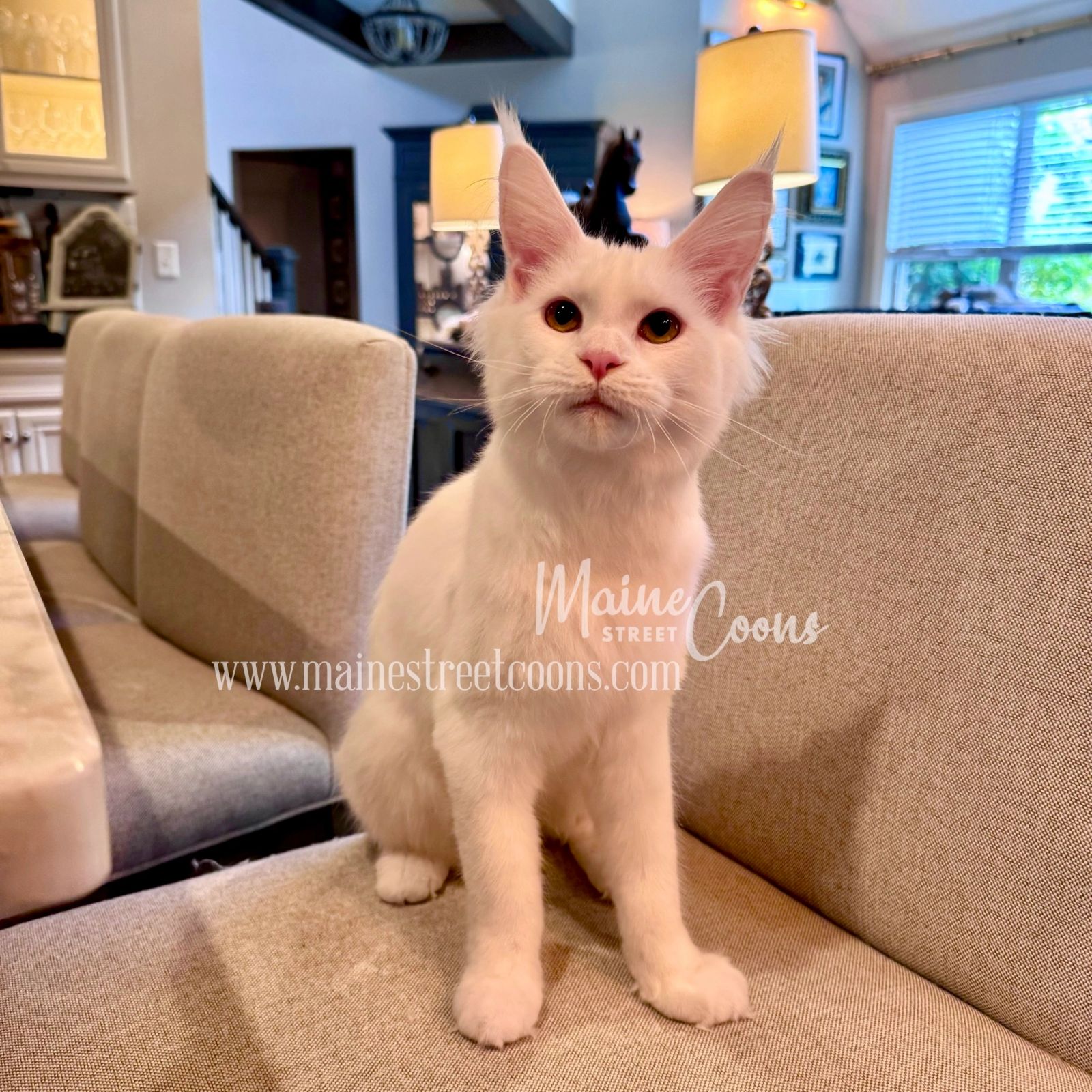
If you've been shopping for a cat, you've likely run across Maine Coons. Loved for their big size and winning personalities, they have captured countless hearts. So why are Maine Coons so expensive? Let's look at the many factors behind their high price.
High Demand for a Beloved Breed
The Maine Coon is the most popular cat breed, and it's easy to see why. Their friendly nature and striking looks make them highly desirable. That popularity, though, means demand for well-bred Maine Coon kittens is far greater than the supply. The gap pushes prices up and turns these magnificent cats into a luxury purchase.
Space to Breed Responsibly
Breeding Maine Coons ethically takes a great deal of dedicated space. Most breeders must remodel or build additions onto their homes so intact males, expectant queens and nursing mothers with kittens can be kept properly apart. This major investment is vital for a healthy, low-stress environment, but it does not come cheap.
The Cost of Acquiring Breeding Cats
Buying Maine Coons for a breeding program is expensive. It's common for breeders to pay as much as three times the pet price for top-quality cats that come with show and breeding rights and championship bloodlines. On top of that, thorough health testing, such as echocardiograms, hip screens and DNA tests, costs a further $1,500 to $2,500 for each cat. These upfront expenses are key to the health and quality of future litters.
Premium Nutrition
Ethical breeders feed high-quality diets to meet their cats' needs. Maine Coons are big cats with big appetites, and pregnant queens can eat double their usual amount.
Nursing kittens often receive a premium milk replacer such as KMR as a supplement. At Maine Street Coons, every litter of five or more kittens is supplemented four times a day from birth until three weeks of age. This makes sure the kittens get enough nutrition, and it also eases the calorie demands on Mama Cat so she can hold a reasonable weight.
During weaning, kittens need both canned food and premium dry kibble. Breeders use roughly 60 cans of canned kitten food each week from four weeks of age until the kittens go home at 14 weeks. For us, canned food alone comes to about $1,500 per litter.
Ongoing Veterinary Care
Breeding cats need routine veterinary visits and vaccinations, plus extra care tied to pregnancy and reproductive problems. Dental care, parasite prevention and emergency treatment are necessary as well. Many breeders carry insurance, at about $420 per breeding female each year, to help cover the risk of a catastrophic bill such as a C-section.
Healthy, Thriving Kittens
To make sure kittens are healthy, ethical breeders have a licensed veterinarian examine, vaccinate and deworm every kitten three to four times before it goes home. Fecal screenings, FIV/FeLV screenings and microchipping add to the cost. These steps guarantee the kittens are in top health by the time they meet their new families.
We also spend on many other everyday kitten supplies: disposable pads for labor and delivery, warming pads and blankets that keep newborn nests warm and clean, litter that is safe for kittens during box training, scratchers sized for kittens, cat trees and safe toys (many of which must be thrown away after a single litter), and more. Done right, creating an environment where a kitten can reach its full mental and physical potential is a costly undertaking.
Going-Home Packages
Most breeders send each kitten home with a care package to ease the move into a new home. These often contain litter, treats, toys, and both dry and wet food, and higher-end breeders may add extras like carriers or reusable totes. Depending on the breeder, each package costs $40 to $200.
Registration and Cat Shows
Every reputable breeder registers their cattery with an organization such as TICA or CFA and pays to register each cat and each litter. Serious breeders go further and show their cats to confirm their quality and conformity to breed standards. Show costs cover entry fees, travel, lodging, food, show cages and grooming supplies, and a single cat at a single show can cost $500 to $1,000 for one weekend.
Marketing Expenses
Marketing adds further costs, from websites and social media ads to business cards. Another expense is sponsoring judges and events, which matters for networking and reputation within the breeding community. Breeders who don't connect at shows with other well-respected, high-quality breeders can't obtain new breeding cats from proven American lines. They end up importing cats from overseas, often knowing very little firsthand about the quality or health of the cats' parents or grandparents.
A Labor of Love
Breeding Maine Coons takes more than a full-time job's worth of work. Endless cleaning, feeding, litter box upkeep, vet visits, labor and deliveries, hand-raising kittens, grooming, showing, photography, marketing and conversations with buyers add up to an enormous task. Exceptional breeders don't breed for profit, yet they can't afford to lose money either. Here at Maine Street Coons, I hold a full-time executive role at a pharmacy benefits company, and that income helps us supplement and sustain the cattery. This is not a profit-making venture; it is a labor of love.
Summary
In short, the high price of a Maine Coon reflects the enormous effort, cost and commitment ethical breeders pour into their catteries. Every step, from acquiring and health testing breeding cats to daily care and showing, is taken to protect the breed's quality and well-being. If you're thinking about welcoming a Maine Coon home, remember that you're not simply buying a pet; you're investing in a lovingly raised, carefully nurtured member of the family.
Want to learn more about Maine Coons? Join our community of devoted cat lovers and discover more about these amazing cats.