
Your Maine Coon's Kitten Vaccination Schedule, Explained
February 18, 2025|Health & Nutrition
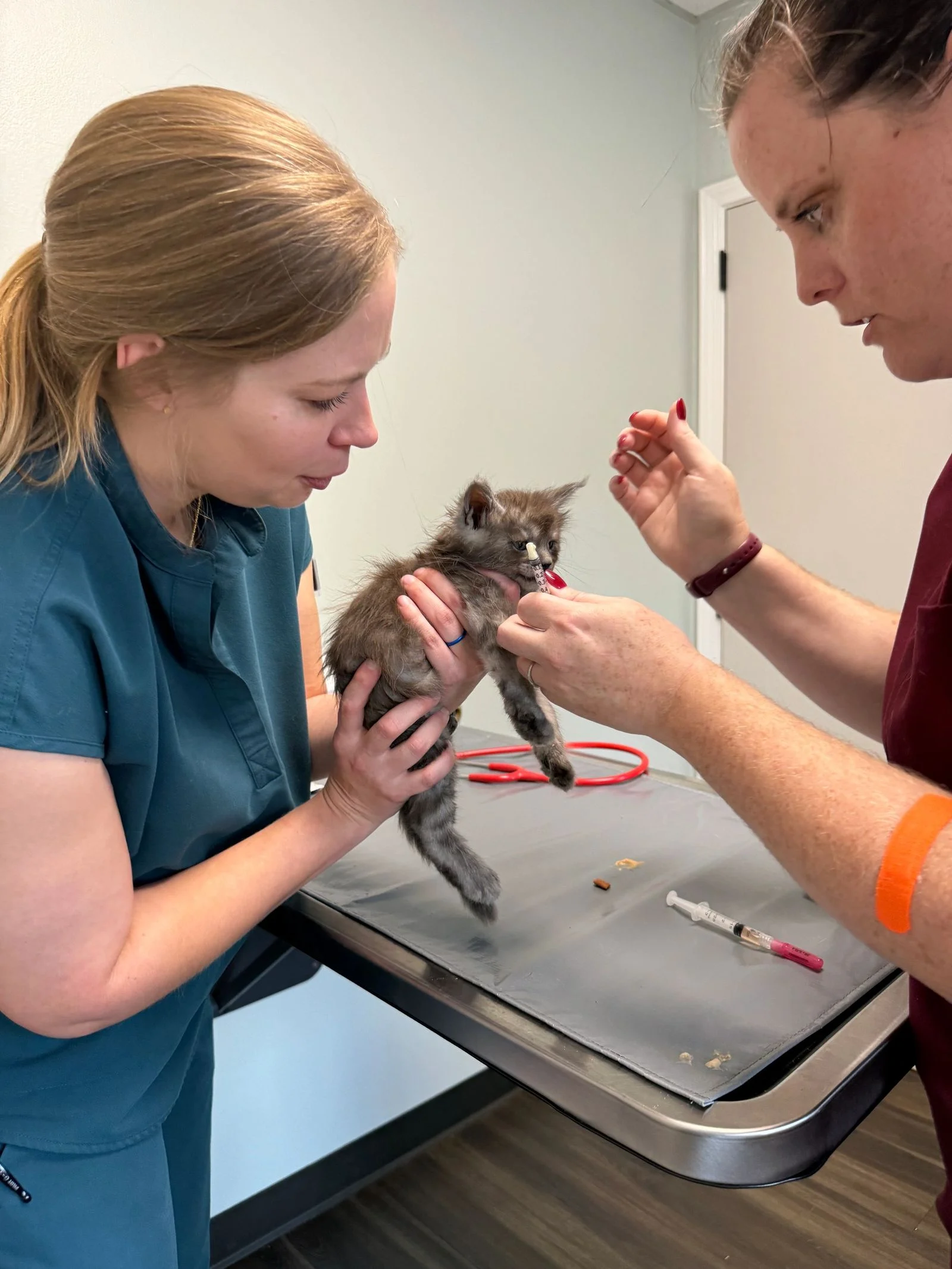
Welcoming a Maine Coon kitten home is a thrilling time full of snuggles, games, and lots of affection. It also brings responsibilities, starting with buying from an ethical breeder who takes every needed step to shield your kitten from diseases that can be fatal. Vaccines are a key piece of any kitten’s health plan, yet new cat owners often find the subject confusing, and plenty of breeders add to the confusion by passing along misinformation. Which vaccines truly matter? Do they carry any risks? Where do choices like Purevax, a vaccine made without adjuvants, fit in? This article explains the benefits and drawbacks of kitten vaccines and the kitten vaccination schedule so you can make well-informed choices.
Why Do Kittens Need Vaccines?
Newborn kittens get protective antibodies from their mother’s milk. As they wean, though, that natural protection wears off and leaves them open to infection. This is where vaccines step in. They prompt the kitten’s immune system to build its own protective antibodies, readying the kitten to fight off viruses and bacteria that can kill.
Core Vaccines for Every Kitten
The American Association of Feline Practitioners (AAFP) advises a set of core vaccines that every kitten should receive, including kittens who will live entirely indoors. Here is what to know about each of them:
- FVRCP Vaccine (Feline Distemper Combination)
- Guards against Feline Panleukopenia (Distemper), an extremely contagious and frequently fatal virus that brings fever, vomiting, diarrhea, and sudden death, especially in kittens.
- Shields against Feline Herpesvirus, which causes respiratory infections, discharge from the eyes and nose, and lethargy.
- Protects from Calicivirus, a leading cause of respiratory infections that, when severe, can progress to pneumonia or life-threatening complications.
The FVRCP vaccine is given as a series of doses so antibody levels rise high enough to provide vital immunity against these illnesses.
- Rabies Vaccine
- Rabies is fatal, and it is a danger to people as well. Indoor cats can still sometimes encounter a rabid animal, bats in particular. Vaccinating protects your cat, your household, and your neighbors. Most municipalities legally require the rabies vaccine.
Non-Core Vaccines Worth Discussing
The core vaccines are a must, but depending on how your kitten lives, others may also be advised:
- Feline Leukemia Virus (FeLV) Vaccination
Cats that live only indoors usually do not need the FeLV vaccine, particularly because it comes with a small risk of injection-site sarcomas (tumors). If your kitten will share a home with several cats, some of whom go outside, this vaccine may be worth thinking about.
- Bordetella Bronchiseptica (Kennel Cough) Vaccination
This vaccine is optional and suits homes with dogs that go to daycare or board often. Bordetella can pass between cats and dogs and bring on respiratory signs such as sneezing and a runny nose.
Skip This One: Leave out the FIP (Feline Infectious Peritonitis) vaccine, which is not advised. Research has found it ineffective and has, in certain cases, tied it to a higher risk of developing FIP.
The Dangers of Too Many Vaccines
Vaccines are essential, but giving too many can cause more harm than benefit. Unneeded vaccines, or several shots spaced too closely, can overload a kitten’s immune system and may trigger side effects like fever, vomiting, or lethargy. Long-term problems, including injection-site sarcomas, are uncommon but still deserve thought.
For this reason, it matters a great deal that your breeder partners with a licensed veterinarian who can build a kitten vaccination schedule suited to the age, health, and surroundings of your Maine Coon kitten.
Why Purevax Vaccines Are Worth Choosing
Adjuvant-free vaccines such as Purevax are among the biggest steps forward in feline vaccination. Conventional vaccines frequently contain adjuvants, chemicals added to strengthen how the immune system reacts to a shot. In cats, however, adjuvants have been associated with injection-site sarcomas.
Because Purevax vaccines contain no adjuvants, they lower that risk while offering equal protection. They are a great option for core vaccines, the rabies vaccine especially, and many veterinarians strongly recommend them to keep kittens safe while keeping possible side effects to a minimum.
Checking Your Breeder's Vaccine Plan
Use this short checklist to see whether a breeder you are considering follows current best practices for kitten vaccines:
- Kittens get their first FVRCP shot from a veterinarian at 6-8 weeks of age.
- Until the kitten is 16 weeks old, the vet gives an FVRCP booster every 3-4 weeks.
- Kittens receive the rabies vaccine at 12-16 weeks of age. No kitten goes home without this vaccine.
- The breeder's contract makes you responsible for adult booster shots after your kitten finishes the initial series.
In Closing
Vaccines rank among the smartest investments a breeder can make in your kitten’s long-term health. They defend against serious diseases and help your kitten mature into a healthy, happy adult cat. The risks tied to vaccines are small, and choices such as adjuvant-free Purevax vaccines can give extra reassurance to careful owners.
If a breeder gives you very different information about the proper kitten vaccination schedule or which vaccines your kitten should get, talk with your veterinarian. An individualized plan puts your pet’s particular needs and lifestyle first while keeping risks low.
Your fluffy little one is counting on you, so pick an ethical breeder who will invest the time and money to give them the right vaccines and a healthy start on the right paw!
Disclaimer:
Everything Maine Street Coons and owner Kyra Hagan share here is meant only for general education and reflects the breeder's own experience. Nothing here should be taken as professional veterinary advice, diagnosis, or treatment. Ours is a private cattery, and Kyra Hagan does not hold a veterinary license.
Every health decision should be made together with a licensed veterinarian who has personally examined your cat. Each Maine Coon is an individual, and health outcomes may differ because of genetics, environment, and other factors.
Maine Street Coons does not guarantee that the information provided is accurate or applies to your situation. Always ask your veterinarian for advice specific to your cat. If a medical emergency occurs, call your vet or an emergency animal hospital right away.