
The Hidden Cost of Irresponsible Cat Breeding: A Kitten Buyer's Guide
February 1, 2026|Breeding
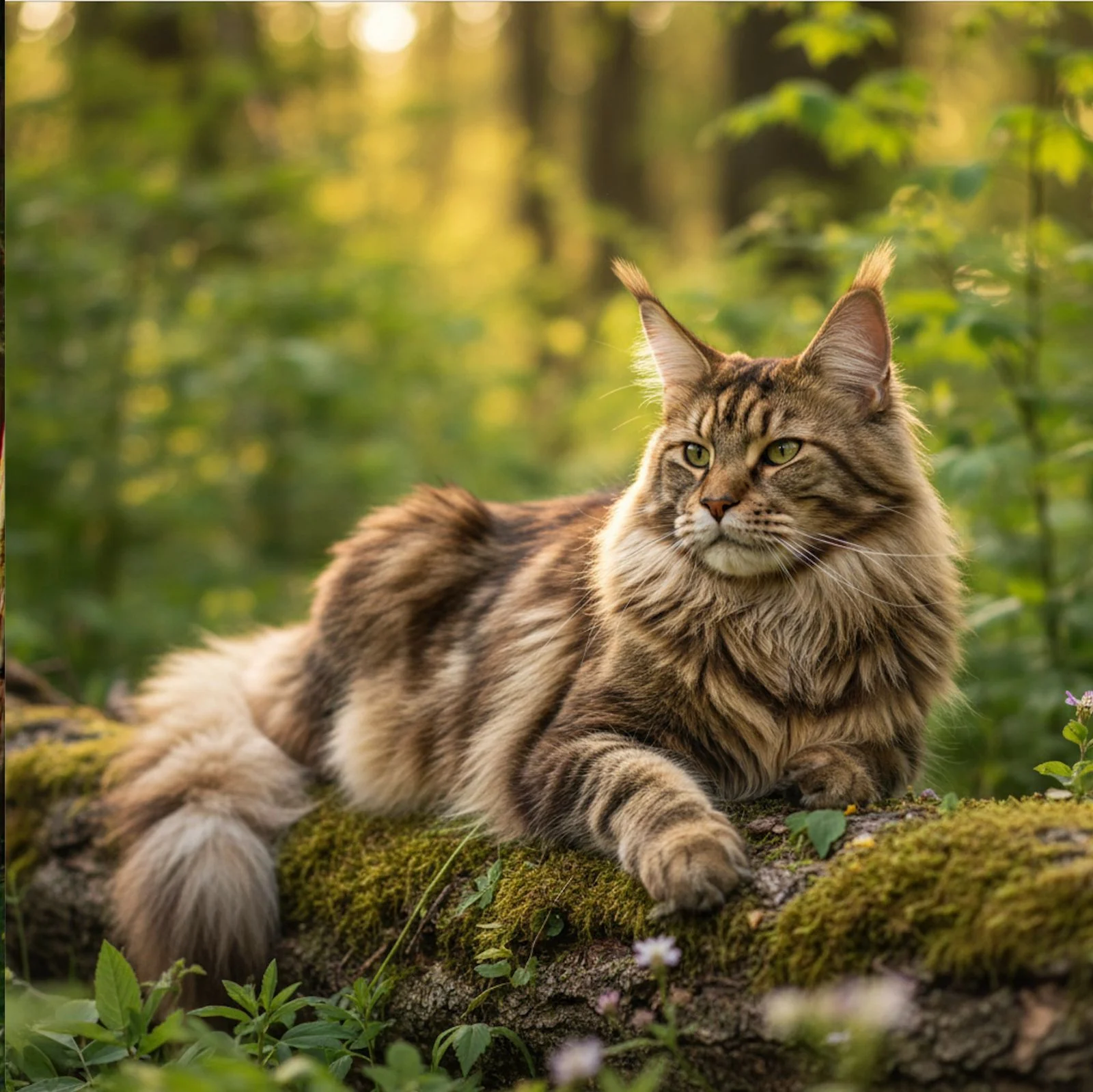
With its impressive size, tufted ears, and sweet temperament, the Maine Coon has won over cat lovers around the globe. These "gentle giants" make lovely companions, yet their growing fame has brought trouble to the breed. A worrying surge in irresponsible cat breeding now endangers the health and welfare of these remarkable animals. Before a Maine Coon joins your family, you need to know the risks that can hide behind what looks like a bargain.
In this post, we look at the more disturbing side of the Maine Coon market. We will discuss the growth of backyard breeders, what the "European" Maine Coon trend has done to the breed, and the way chasing a low price can accidentally feed animal hoarding and neglect. Knowing about these problems is where an ethical decision begins, and it helps you find a kitten that is genuinely healthy and well socialized.
More and More Backyard Breeders
Demand for Maine Coons has skyrocketed, and the number of backyard breeders has climbed right along with it. Most of these people know little or nothing about genetics, animal care, or breed standards. They notice how much a Maine Coon kitten sells for and choose to breed their own litters to make money, frequently at the cats' expense.
To boost profits, backyard breeders routinely take shortcuts. That may mean skipping vital genetic health tests for conditions such as hypertrophic cardiomyopathy (HCM), a frequent and deadly heart disease in the breed. Proper veterinary care, vaccines, and deworming may be ignored as well. Kittens are commonly raised in tense, dirty surroundings, which leads to behavior problems and ongoing health troubles that their new families must deal with.
These setups depend on buyers who do not know what to look for. Their online listings are full of adorable kitten photos, but those photos hide the truth: female cats bred far too often, cramped quarters, and no concern at all for the lasting health of the animals being sold.
The "European Maine Coon" Trend
One newer trend making things worse is the obsession with "European" Maine Coons. Sellers often promote these cats as looking more "wild" or "feral," with exaggerated muzzles and bigger ear tufts. Some reputable breeders in Europe hold themselves to high standards, but a serious problem has grown out of certain areas, especially Eastern Europe.
In those regions, dishonest sellers have started churning out kittens in large numbers and shipping them overseas with full breeding rights to whoever pays. As a result, the market fills up with cats whose genetics have never been checked. Someone in the United States can buy a cat online, have it delivered, and begin breeding right away with no mentor, no experience, and no grasp of ethical breeding.
This spreads the backyard breeder problem around the world. It builds an enormous web of amateur breeders who keep producing more cats with no thought for health, temperament, or improving the breed. The appeal of an unusual-looking cat keeps many buyers from seeing the unethical supply chain their money supports.
How Bargain Hunting Feeds Hoarding
Animal hoarding is among the saddest results of irresponsible cat breeding. These cases frequently start as modest backyard operations that grow beyond anyone's control. The breeder may fail to sell every kitten or may hold on to more cats than the program can handle, and overcrowding follows. As time passes, the money and emotional strain become too much, and the quality of care collapses.
Such hoarding situations may stay hidden for years, kept going quietly by people shopping for a "cheap" Maine Coon. If you see a kitten listed for half the usual price, treat it as a serious warning sign. A price that low is only possible when the breeder is not paying for good nutrition, clean housing, or essential veterinary care.
Buying from a seller like this means you will likely bring home a kitten with major health and behavior problems, and you will also be funding the hoarder so the neglect can go on. Saving a few hundred dollars at the start frequently turns into thousands of dollars in vet bills and deep heartache later. Each sale keeps the operation running and condemns more cats to lives of misery.
Becoming a Responsible Kitten Buyer
Safeguarding this beautiful breed begins with your choices. An informed, ethical decision is the strongest weapon you hold against irresponsible breeders.
Do Your Homework
Look carefully into every breeder on your list. A reputable breeder will be open with you and happy to show off their cattery.
- Ask for Health Screenings: Good breeders screen their breeding cats for genetic diseases such as HCM, PK-Def (pyruvate kinase deficiency), and SMA (spinal muscular atrophy). Their cats should also receive echocardiograms from a board-certified veterinary cardiologist. Request the results for both of the kitten’s parents.
- Visit the Cattery: Go in person when you can. When you cannot, ask for a thorough video call. Notice how the animals live. Is the space clean and roomy? Do the cats and kittens look healthy, lively, and well socialized?
- Interview the Breeder: A good breeder will ask you just as many questions as you ask them, because they care a great deal about where each kitten lands. Be cautious of any breeder whose only interest is getting paid.
- Check for Red Flags: Be wary of breeders who always seem to have kittens ready, sell several different breeds, will not show you the parents or the living space, want to meet in a parking lot or deliver to your door at no charge, or pressure you to decide quickly.
Know What a Kitten Really Costs
When you buy a carefully bred Maine Coon kitten from a reputable breeder, you are making an investment. Its price covers the huge expense of breeding responsibly, from genetic testing and premium food to thorough veterinary care and the hours spent socializing every kitten. Today, any respectable breeder who does things properly will charge at least $2,500 for a kitten, and most charge more. A bargain price signals that important corners were cut or that a scammer is on the other end.
Get a Written Contract
Ethical breeders always use a contract. It protects you, the breeder, and above all, the kitten. It should spell out the health guarantees and the spay/neuter requirements, and it should include a clause promising that, should you ever be unable to care for the cat, the breeder will welcome it back at any point in its life.
Final Thoughts: Put Ethics Before Price
The darker side of Maine Coon breeding is a real problem, yet education and responsible choices can push back against it. When you refuse to support backyard breeders and question prices that seem too low, you help cut off the demand that keeps these unethical operations alive.
Choosing a reputable breeder means more than buying a pet. You are backing a protector of the breed who is committed to raising healthy, happy, well-adjusted cats for many generations. Be patient, research carefully, and bring home a kitten raised by someone whose love for the breed matches your own. Your future companion deserves no less.