
When Can Maine Coon Kittens Go Home? Why 14 to 16 Weeks Is Worth the Wait
September 10, 2025|Health & Nutrition
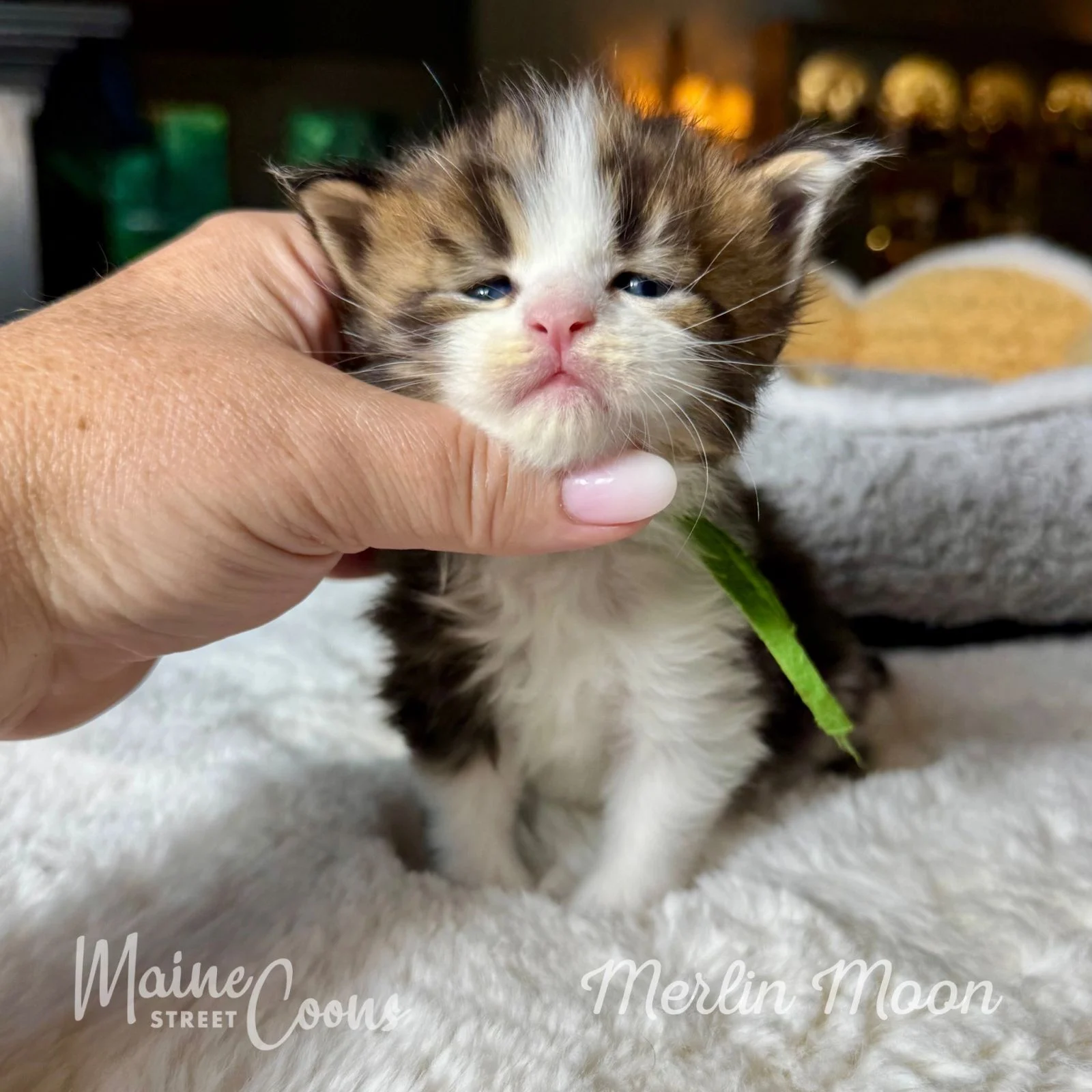
Welcoming a new kitten is a thrilling moment. You have probably spent months doing research, choosing a reputable breeder, and getting your home ready. One look at photos of your tiny Maine Coon and you want to bring them home right now. So when can Maine Coon kittens go home? A responsible Maine Coon breeder will ask that you wait until your kitten reaches 14 to 16 weeks old. The wait may feel endless, but it is one of the best gifts you can give the newest member of your family.
Your patience is rewarded with a companion who is healthier, more confident and better adjusted. Below, we walk through the key stages of development that take place between 8 and 16 weeks, and explain why waiting is the right choice for you and your kitten alike.
How Waiting Protects Your Kitten's Health
Spending a few more weeks with mom and the littermates brings real health benefits that prepare a kitten for a long, healthy life. These weeks are key for developing a strong immune system and finishing essential veterinary care.
Stronger Immunity
A kitten's first immunity comes from the antibodies in its mother's milk. This protection, known as passive immunity, begins to wane at about 8 weeks of age, which is exactly when vets usually start the kitten vaccine series.
For vaccines to work fully, a kitten's own immune system has to be mature enough to respond and build lasting antibodies of its own. That shift takes place between 8 and 14 weeks. Staying with mom and siblings in familiar surroundings keeps stress low, and lower stress helps the body respond more strongly to vaccines. A kitten taken from its mother too soon may have weaker immunity and be more prone to common illnesses.
A Full, Effective Vaccine Series
The usual kitten vaccine schedule is a series of shots spaced every 3 to 4 weeks. A kitten who leaves at 14 to 16 weeks has finished its full primary series, boosters included, protecting against Panleukopenia, Calicivirus, and Feline Viral Rhinotracheitis (FVRCP). That means they come home to you with the strongest possible protection against these serious diseases.
Waiting also leaves time for the rabies vaccine, which is usually given at about 12 to 16 weeks of age. A kitten who goes home fully vaccinated faces fewer health risks, and you can relax from the very first day.
Healthier Physical Growth
Those last weeks with the litter are also a period of fast growth and improving coordination. Maine Coons are a big breed that matures slowly, and the extra time lets their bodies develop properly as they build strong muscles and bones playing with their siblings. They also finish weaning completely and eat solid food with confidence, which helps prevent tummy troubles when they move to a new home.
Why Socializing With Other Cats Matters
From 8 to 16 weeks, kittens are in the most important window of their social development. In these weeks, mom and siblings teach them core life skills that people simply cannot teach in the same way.
Learning to "Speak Cat"
Kittens interact with each other all day, and through that they pick up the fine points of feline vocal cues and body language. They learn how to invite play, show submission and read warning signals from other cats. These lessons shape how they will get along with any cat they meet later, and they make fear or aggression less likely. A kitten who is well socialized becomes a confident adult cat who communicates clearly.
Learning a Gentle Bite
Bite inhibition, the skill of controlling how hard they bite, is one of the biggest lessons kittens learn from their littermates. If one kitten nips a sibling too hard while playing, the sibling squeals and ends the game. That instant reaction teaches the biter to soften up.
Kittens who leave the litter early often never get this lesson. They can play too roughly and bite or scratch their people harder than they mean to. When your Maine Coon stays with the litter until 14-16 weeks, they learn to be gentle with their mouth, which makes them a safer and more enjoyable companion.
Growing Confidence and Resilience
Playing, exploring and competing with siblings in a safe setting helps kittens grow more confident every day. They figure out social order, work through problems, and recover from small falls or squabbles. That resilience makes moving to a new home far easier. A confident kitten is less prone to fear or anxiety in unfamiliar surroundings and settles into your family and routine faster.
An Easier Move for Everyone
A few more weeks of waiting make the move much less stressful for your kitten and much simpler for you. The pet you bring home is more mature, more independent and better behaved.
Litter Box Pros
By the time they reach 14 weeks, kittens have spent weeks fine-tuning their litter box habits. Their mother has shown them the way, and they have a solid, dependable routine. So it is very unlikely you will deal with frustrating accidents when your kitten comes home. They arrive already house-trained.
More Maturity and Independence
Very young kittens still rely heavily on their mother. By 14 weeks, though, a kitten has weaned naturally and begun to build some independence. Because they are more mature, they cope better with leaving their first family. They are less likely to suffer separation anxiety and adjust to a new routine more easily, so the first days and nights in your home tend to be much more peaceful.
Will Waiting Hurt Our Bond?
Many new owners ask this. You may fear that if your kitten does not come home at the youngest age possible, you will miss an important window for bonding. In reality, it works the other way around.
Kittens do not lose their ability to bond with people after their first few weeks. Maine Coons are famous for being affectionate and "dog-like," and that temperament is simply who they are. A kitten who is healthy, confident and well adjusted is much better equipped to build a deep, lasting bond with you.
Since your kitten comes home feeling safe and behaving well, your early moments together will be overwhelmingly happy. Rather than spending the first weeks dealing with health or behavior problems, you get to enjoy play, snuggles and getting acquainted. The solid groundwork your breeder laid in those extra weeks lets your relationship begin with trust and joy, and that happy beginning is what truly seals a bond for life.
The Breeder's Promise: Your Partner in Your Maine Coon's Future
A breeder who holds firm on 14-16 weeks is showing how committed they are to their kittens' health and well-being. They are not making you wait for no reason. They are making sure the companion you receive is ready in body, mind and heart for a wonderful life with you. It reflects both their expertise and their devotion to the Maine Coon breed.
A little patience is a small cost for a family member who is happier, healthier and better adjusted. Those few extra weeks with their first family mean your Maine Coon kitten comes home ready to fit perfectly into yours.