
Feline Herpes in Maine Coons: A Calm, Practical Guide for New Owners
April 2, 2026|Health & Nutrition
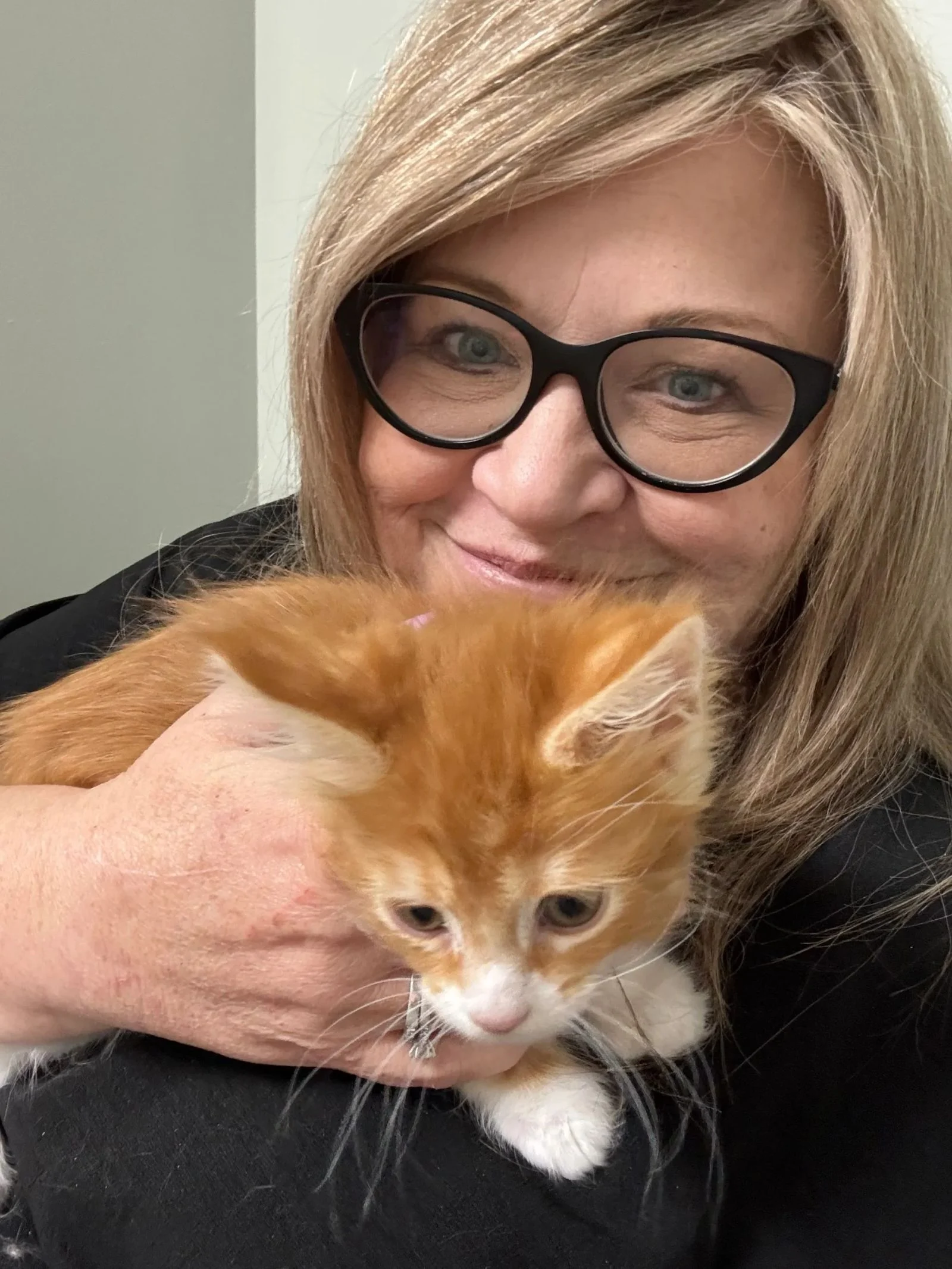
Welcoming a Maine Coon kitten home is a big, happy moment. You have readied their space, chosen the best food you can find, and pictured all the joy this wonderful breed will add to your family. Then you hear a sneeze or spot a watery eye, and that excitement can turn into worry very quickly.
In many cases, a veterinarian will identify these signs as Feline Herpes Virus (FHV-1). The word "herpes" frightens a lot of new owners, yet the diagnosis is much less scary than it sounds.
We want to give you clear, evidence-based guidance about feline herpes in Maine Coons, especially young kittens. Below, you will learn what the virus is, how to manage it, and why a diagnosis is no reason to back away from buying or keeping your kitten. Once you know the facts, you can help your kitten recover with confidence and look forward to a healthy, thriving future together.
Understanding Feline Herpes Virus
Feline Herpes Virus, or FHV-1, is a very contagious respiratory virus found in cats all over the world, and it ranks among the leading causes of feline upper respiratory infections. A helpful way to picture it is to think of the common cold that young children pass around.
Much like a toddler who starts daycare and soon catches a cold, kittens often meet FHV early in life. The virus settles in the respiratory tract and the eyes. After infection, it never fully leaves: it withdraws into the nerve cells and stays there in a dormant state for the rest of the cat's life.
This dormant phase is completely normal and expected, and grown humans carry similar sleeping viruses with no everyday trouble. In cats, the immune system usually keeps the virus quiet. A flare-up happens only when immunity dips for a while, most often because of stress or another illness.
Why Kittens Have Flare-Ups
A Maine Coon kitten's immune system is still developing. Because those defenses have not fully matured, kittens are especially prone to upper respiratory infections.
Changes in surroundings are the biggest trigger for an FHV flare-up. Moving from the breeder's home to yours is a huge change for a young animal. Suddenly their mother, their littermates, and their familiar territory are gone. That upheaval naturally raises cortisol levels, which dampens immune function for a time.
In that stressful stretch, the sleeping virus can wake up. You may bring home a perfectly healthy kitten who passed every veterinary check, then notice symptoms three to five days after arrival. That is not a sign that the breeder failed, and it does not mean you have taken on a chronically sick cat. It is simply a predictable biological reaction to a major life change.
Recognizing FHV Symptoms
Knowing the clinical signs of a flare-up helps you act early and keep your kitten at ease. The symptoms look a lot like a bad cold in a person.
Keep an eye out for these main signs:
- Sneezing that is frequent and repeated
- Nasal discharge that is clear or colored
- Conjunctivitis (eyes that are red, swollen, or weeping)
- A slight fever
- Low energy and lethargy
- Eating less for a while because the sense of smell is dulled
If you notice these signs, stay calm. You would nurse a child through a winter cold with rest and supportive care, and your Maine Coon kitten needs the same kind of steady, structured support.
How Recovery Works
Maine Coon kittens with Feline Herpes Virus have an excellent outlook. A cat's immune system is very good at pushing the virus back into dormancy. An active flare-up usually lasts somewhere between ten and twenty days.
Over that period, the virus simply runs its course. Because antibiotics cannot kill a virus, veterinarians do not use them as a cure for FHV. Your veterinarian may still prescribe one to treat a secondary bacterial infection if the nasal discharge becomes yellow or green.
After that first flare-up, many cats go for years, or even their whole lives, with no further symptoms. As your Maine Coon grows up, their immune system becomes strong. Adult cats cope with stress far better than kittens do, so later outbreaks are uncommon and usually very mild.
Managing FHV at Home: Practical Steps
Focused, supportive care will speed your kitten's recovery and ease their discomfort. Here are several helpful steps you can start right away.
Make Comfort the Priority
Prepare a quiet, warm, safe room for your kitten. Keep them from roaming the whole house, and limit contact with other pets and noisy children for now. A calm setting lowers cortisol, so the immune system can put all its effort into fighting the virus.
Try Steam Therapy
Congestion makes it hard for a small kitten to breathe and eat. Set a cool-mist humidifier close to where they rest so their nasal passages stay moist. Another option is to run a hot shower until the bathroom fills with steam, then sit in there together for fifteen minutes. That steam does a good job of loosening a stuffy nose.
Keep Them Eating and Drinking
Cats depend on smell to want their food, so a blocked nose often leads a kitten to turn meals down. Your job is to keep calories and moisture going in. Warming a strong-smelling, high-quality wet food can tempt their appetite. If needed, offer low-sodium chicken broth to help keep them hydrated.
Keep the Eyes and Nose Clean
With a soft cloth dampened in warm water, gently wipe discharge from around your kitten's eyes and nose. Crusted discharge is uncomfortable and can hold bacteria, so keeping these areas clean helps prevent skin irritation and secondary bacterial problems.
Check In with Your Veterinarian
Book a veterinary exam whenever symptoms show up. FHV is common, but your veterinarian still needs to exclude any other underlying problem. If the virus is affecting the cornea, they may prescribe antiviral eye drops, or they may suggest an L-lysine supplement, which according to some studies may help suppress viral replication.
Why FHV Is No Reason to Pass on a Kitten
Now and then, a buyer panics when a breeder mentions FHV exposure, or when a new kitten starts sneezing at home. Some even think about returning the kitten because they fear huge vet bills or a lifetime of illness.
Science and veterinary experience show that this fear is not justified. Feline Herpes Virus is endemic among cats, and the great majority of cats around the world have been exposed to it. Turning down a kitten only because it was exposed to FHV or had a mild upper respiratory infection means missing out on a wonderful, genetically sound companion.
Maine Coons are wonderfully resilient. A short cold as a kitten does nothing to harm their structural integrity, their loving temperament, or their chance at a long, lively life. Once they adjust to your routine and get past the stress of the move, they will flourish.
Helping Your Maine Coon Thrive
Feline Herpes Virus is a common, predictable, and manageable condition in cats. When you look at it through science instead of fear, you can care for your kitten's health with clarity and confidence.
Put your energy into giving your new Maine Coon a solid health foundation: high-quality food, a calm home, and an open, proactive partnership with your veterinarian. If a flare-up does happen, you now know how to help your kitten through it safely.
As a next step, book your kitten's first wellness exam with a local veterinarian you trust. Working with a professional gives your kitten the medical oversight they need to become the healthy, majestic Maine Coon you are hoping for.
Disclaimer:
Everything that Maine Street Coons and owner Kyra Hagan share here is meant for general education and draws on the breeder's own experience. None of it should be taken as professional veterinary advice, a diagnosis, or treatment. Kyra Hagan is not a licensed veterinarian, and Maine Street Coons is a privately run cattery.
Please make every health decision together with a licensed veterinarian who has personally examined your cat. Each Maine Coon is an individual, and health outcomes can differ because of genetics, surroundings, and other factors.
Maine Street Coons does not guarantee that this information is accurate or that it fits your situation. Ask your veterinarian for advice tailored to your own cat, and in a medical emergency, call your vet or an emergency animal hospital right away.